Harper’s Weekly: a journal of civilization
TL;DR — Harper’s Weekly, published from 1857 to 1916, called itself ‘A Journal of Civilization’ and was the most influential illustrated news weekly of nineteenth-century America. It carried Winslow Homer’s Civil War art and Thomas Nast’s political cartoons — which helped topple the Tweed Ring and shaped the modern Santa Claus — and it brought the news to American homes in pictures for six decades. This survey traces its whole history, its great artists, and its decline before the mass magazines.
By The Day Press · Published October 2026
A journal of civilization
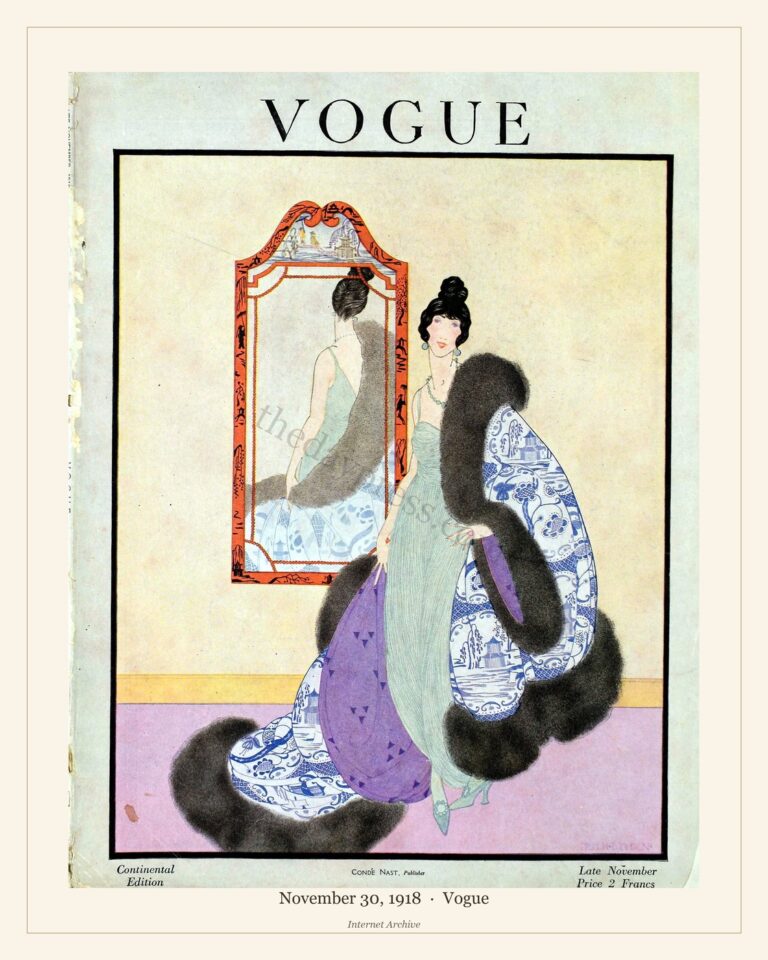
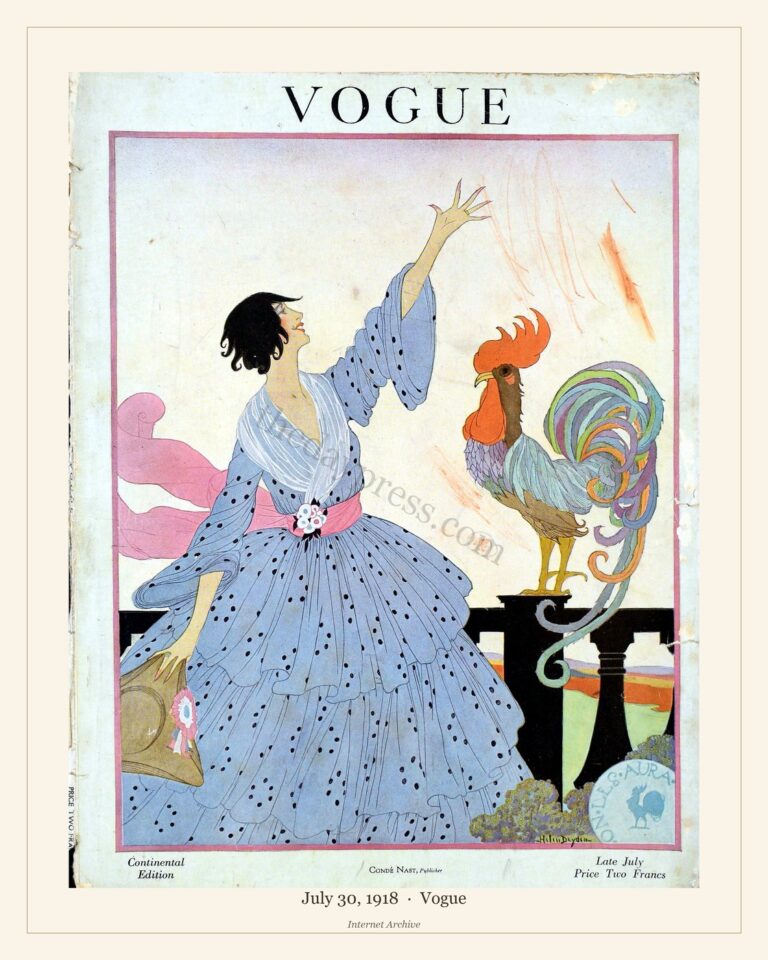
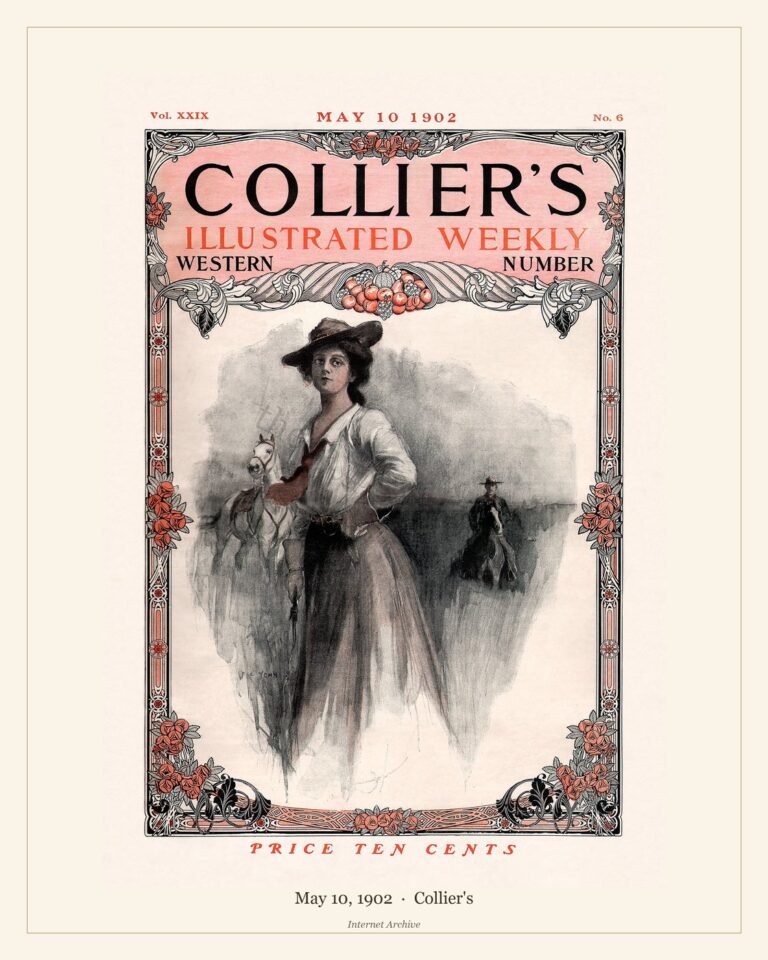
Harper’s Weekly began in 1857, published by the New York house of Harper & Brothers, and became the leading illustrated news weekly in the country. In the decades before photographs could be printed cheaply, it brought the world to American homes through wood engravings and, later, half-tone illustration — battles, elections, disasters, and public life rendered by staff artists and engravers. For a generation it was how the nation saw itself.
Its ambition was captured in its masthead slogan: to be a journal of civilization, carrying the news, politics, literature, and art of the age to a national readership in words and pictures.
Homer and Nast
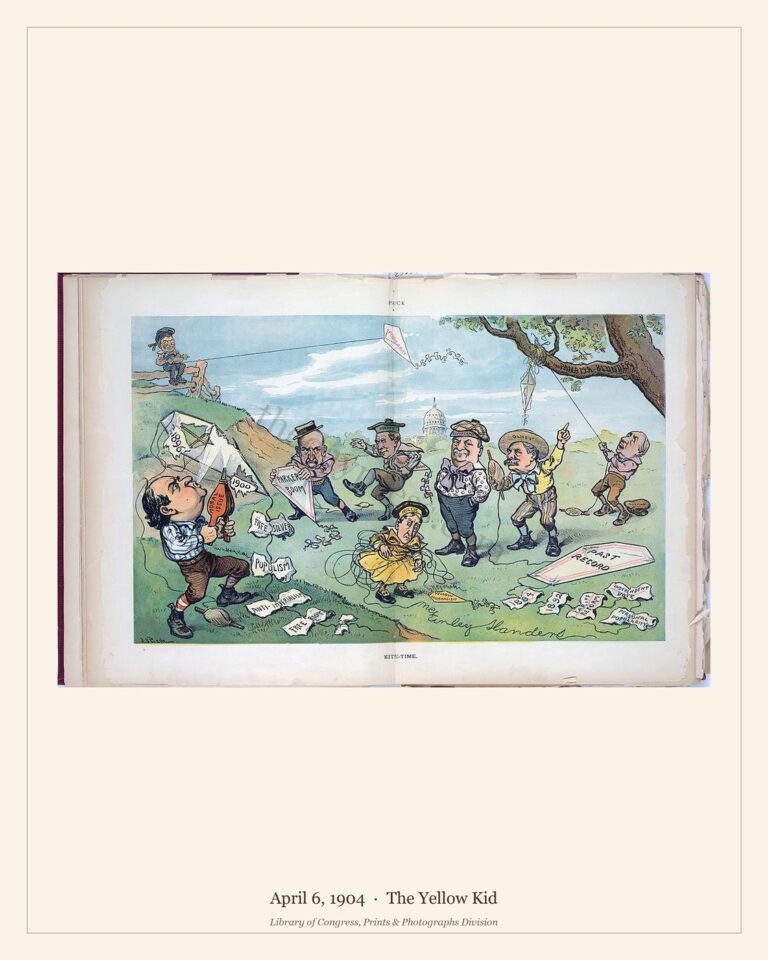
Harper’s Weekly’s greatest contributors are landmarks of American art and journalism. Winslow Homer covered the Civil War for it as a young artist, producing images now treasured as American art. Thomas Nast, the father of the American political cartoon, worked in its pages: his relentless campaign against the Tweed Ring helped bring down Boss Tweed’s corrupt New York machine, and he did much to fix the modern images of Santa Claus, the Republican elephant, and the Democratic donkey.
That one magazine gave scope to both Homer’s art and Nast’s cartooning suggests its reach at its height — a publication that could shape both taste and politics on a national scale.
Decline and close
By the 1900s, competition from cheaper mass magazines and photographic weeklies steadily eroded Harper’s Weekly. The illustrated news weekly, built on hand engraving, could not compete with the economics of photography and mass circulation. It ceased publication in 1916, after nearly sixty years, just as the First World War was remaking the world it had chronicled.
Legacy
Harper’s Weekly is foundational to American illustrated journalism. Its covers and pages are a visual record of the nation from the Civil War to the First World War, and the careers it launched — Homer’s, Nast’s — shaped American art and politics far beyond the magazine itself.
The magazine covers in our archive are each dated to the real issue they appeared on. Browse the magazine cover art →
Frequently asked questions
What was Harper’s Weekly?
The leading American illustrated news weekly from 1857 to 1916, subtitled ‘A Journal of Civilization’, which brought the news to American homes in pictures.
Who were its most famous artists?
Winslow Homer, who covered the Civil War for it, and Thomas Nast, whose cartoons helped topple the Tweed Ring and shaped the modern Santa Claus and the party symbols.
Why did it close?
Cheaper mass magazines and photographic weeklies eroded the hand-engraved illustrated news weekly. It ceased in 1916.
When did it run?
From 1857 to 1916.
Further reading
- Browse magazine cover art
- Browse by theme, month, and decade
- Fiona Deans Halloran, Thomas Nast: The Father of Modern Political Cartoons (University of North Carolina Press, 2012).
- Frank Luther Mott, A History of American Magazines (Harvard University Press, 1938–1968).
The Day Press curates, restores, and reformats public-domain American printed images from 1885 to 1928 for archival-quality home printing. Browse the archive · Browse by theme, month, decade.