What chromolithography is, and why it looks like that
TL;DR — Chromolithography is a nineteenth-century method of colour printing that builds an image from many separate stones or plates, one for each colour, layered in precise register. It produced the rich, saturated colour of Victorian and Edwardian cards, posters, and magazine covers — the look behind most of the images in this archive. This piece explains how the process worked, its golden age, and why it looks the way it does.
By The Day Press · Published August 2026
The invention of lithography
Chromolithography begins with lithography, invented by Alois Senefelder in Bavaria around 1796. Lithography works on a simple chemical principle: grease and water repel each other. An image is drawn in a greasy medium on a flat, fine-grained limestone; the stone is dampened, then inked, and the ink sticks only to the greasy drawing and is repelled by the wet blank areas. Pressed to paper, the stone prints the image. It was a revolutionary way to reproduce a drawing directly, without engraving or etching.
Early lithographs were monochrome. Adding colour was the next problem to solve.
Colour by layering
The solution was chromolithography — literally ‘colour stone drawing’ — developed through the 1830s, with the French printer Godefroy Engelmann patenting a process in 1837. The method prints colour by layering: each colour in the final image is drawn on its own separate stone and printed in turn, in careful register, so that ten, twenty, or even thirty successive printings build up a full-colour picture. The registration — lining up each stone exactly — was the great technical challenge, and a skilled chromolithographer was a highly trained craftsman.
The more elaborate the image, the more stones it took. A fine chromolithograph might pass through the press twenty times or more, each pass laying down one colour, gradually assembling the whole.
The golden age
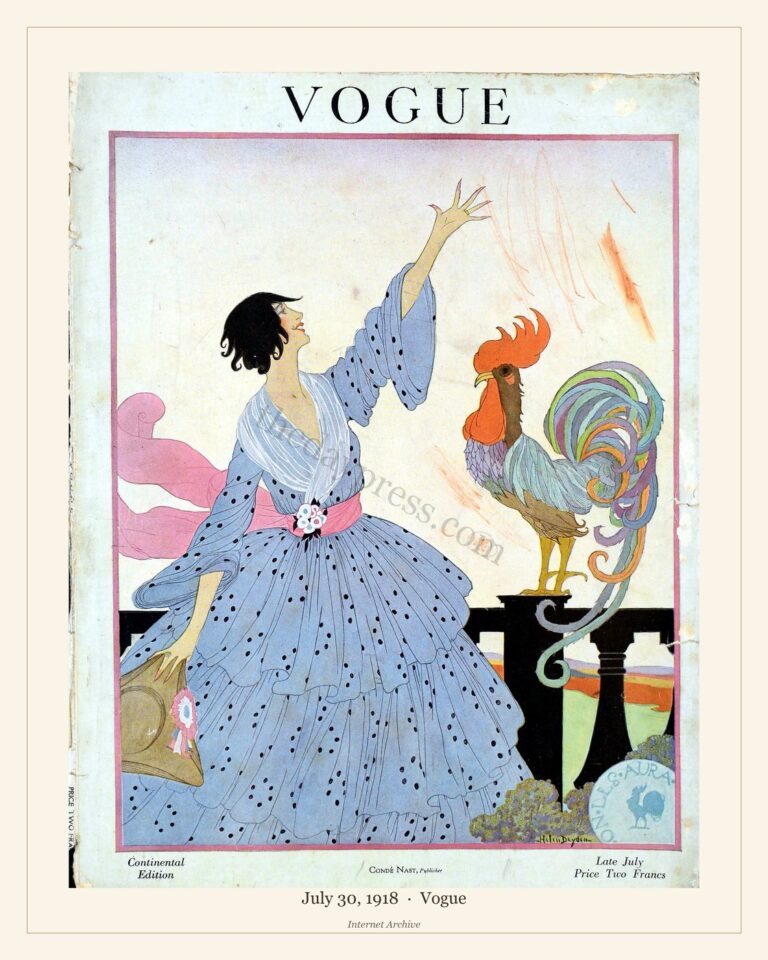
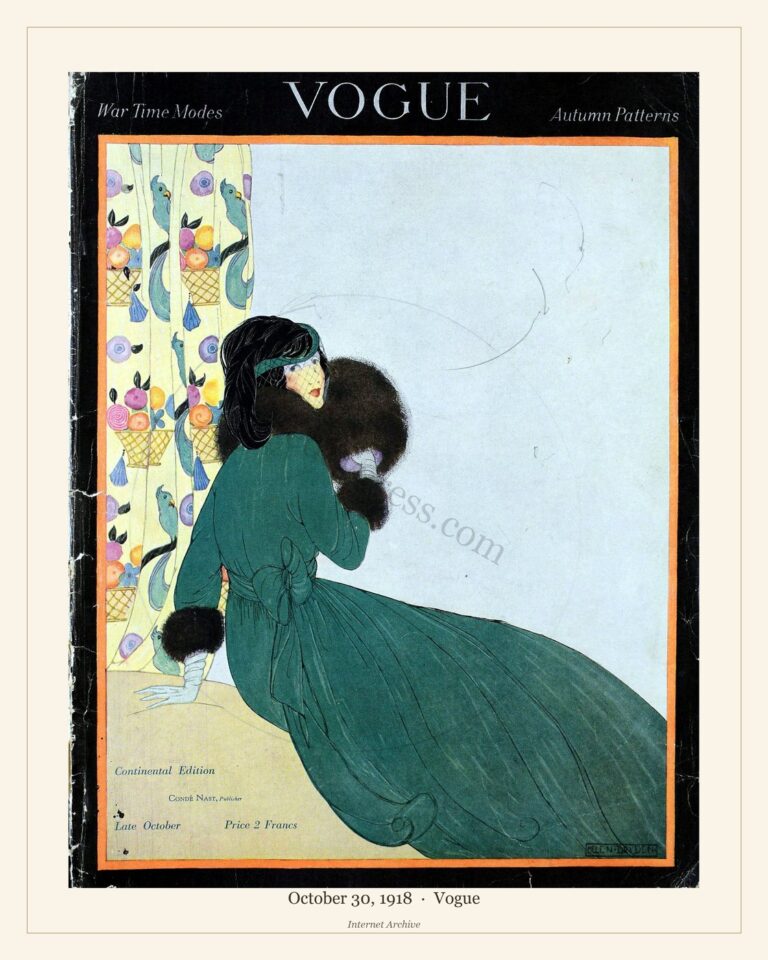
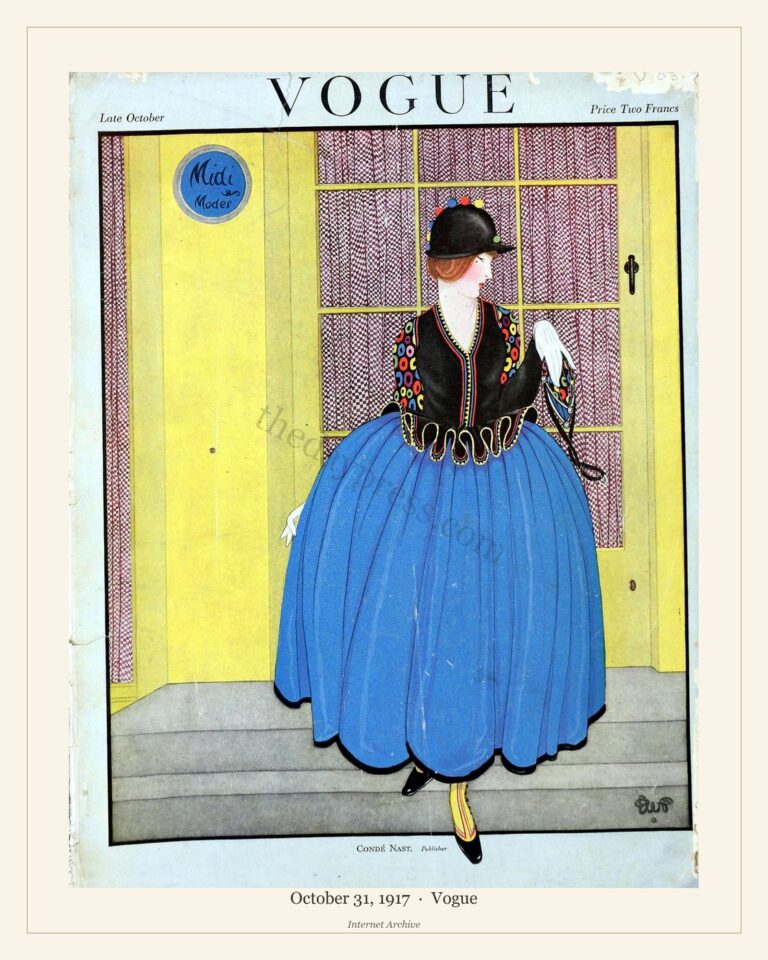
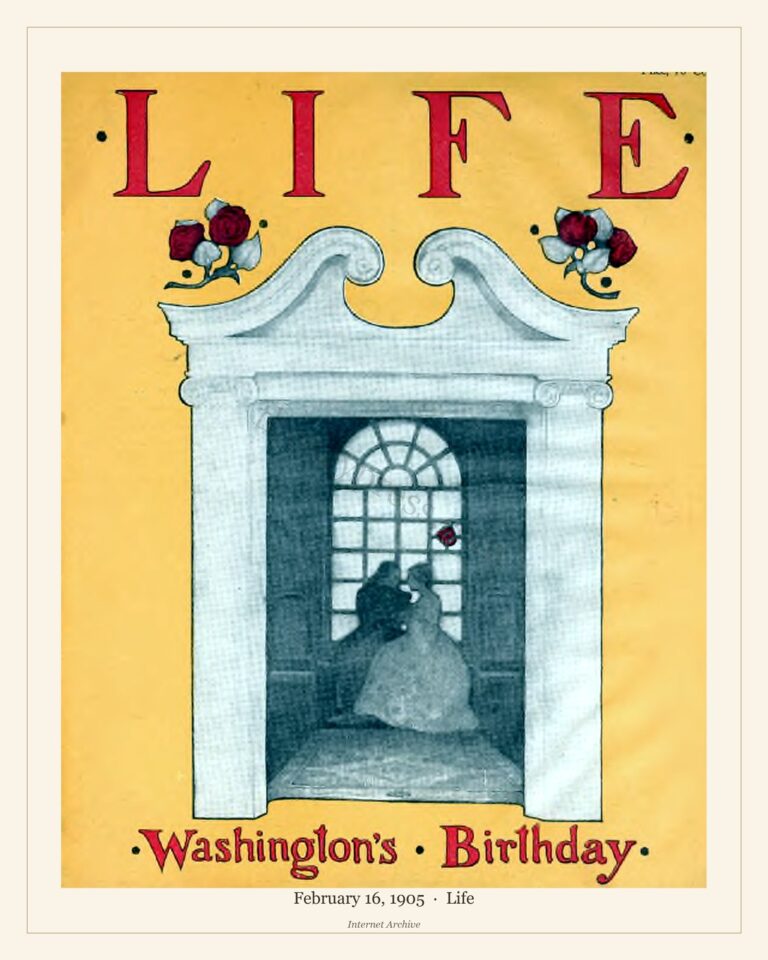
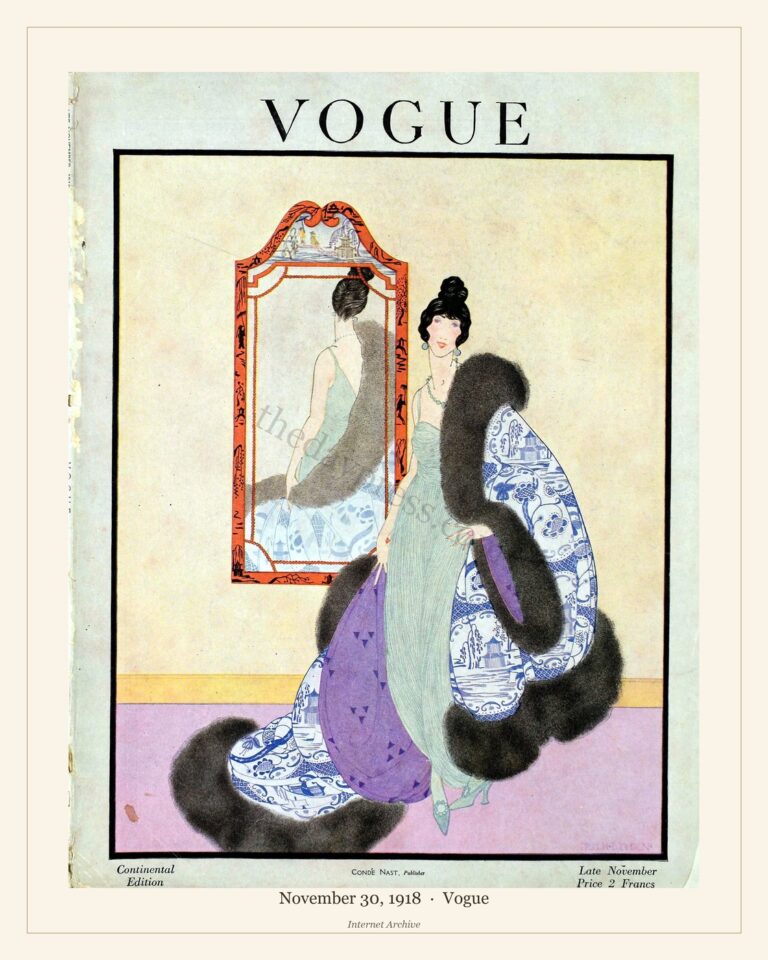
Chromolithography peaked from the 1840s to the 1900s, the period this archive draws from. It democratised colour: for the first time, richly coloured images — art reproductions, advertising, greeting cards, and magazine covers — could be produced cheaply enough for ordinary households. The historian Peter Marzio called it ‘the democratic art’ for exactly this reason. In America, Louis Prang of Boston was its most celebrated practitioner, and firms like Currier & Ives made colour prints a fixture of American homes.
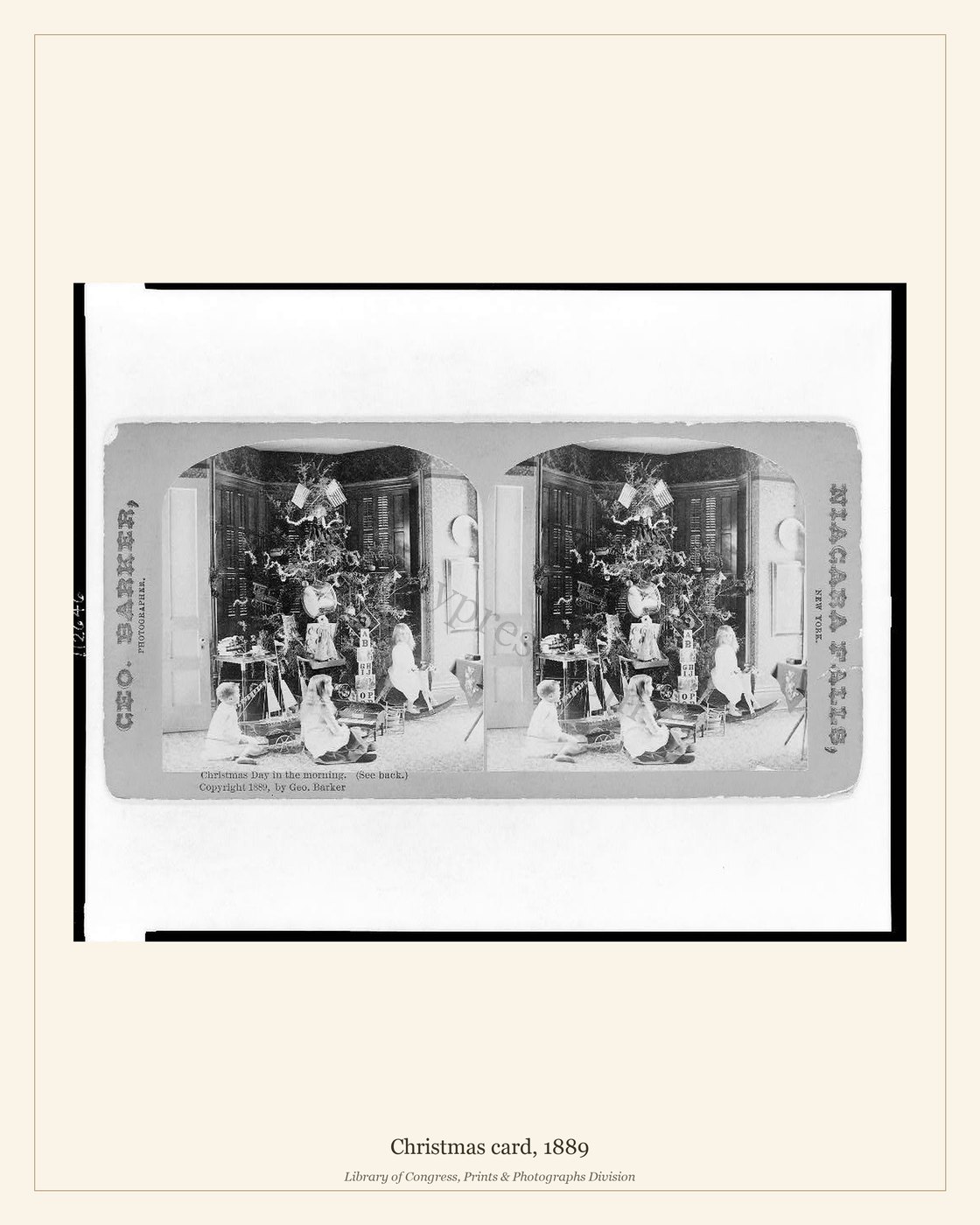
This is the technology behind the Christmas card, the chromo advertising poster, and the colour covers of magazines like Puck and Judge.
Why it looks the way it does, and its decline
Chromolithography gives its images a distinctive look: dense, saturated colour, and — on close inspection — the fine stippled or hatched patterns the artists used to blend tones from a limited number of stones. It is a warmer, more hand-made colour than the photographic processes that followed. From about 1900, cheaper photomechanical half-tone printing gradually replaced it, which is part of why the chromolithograph era has a definite beginning and end.
The prints in our archive are restored from chromolithograph originals of this era, each dated as precisely as the source allows. Browse the collections →
Frequently asked questions
Is a chromolithograph a painting or a print?
A print. It reproduces an image in colour by drawing each colour on its own stone and printing them in layers, in register — no painting is involved in the final object.
Why does the colour look so rich?
Because each colour is a separate physical printing, sometimes twenty or more, the results are dense and saturated in a way later photographic processes only approximated.
Who invented chromolithography?
It grew from Alois Senefelder’s invention of lithography around 1796; the French printer Godefroy Engelmann patented a chromolithography process in 1837.
Are these original chromolithographs?
The source artworks were; what we sell are restored digital files prepared from scans of them, ready for you to print.
Further reading
- See all collections
- Browse vintage Christmas cards
- Peter C. Marzio, The Democratic Art: Chromolithography 1840–1900 (David R. Godine, 1979).
- Bamber Gascoigne, How to Identify Prints (Thames & Hudson, 1986).
The Day Press curates, restores, and reformats public-domain American printed images from 1885 to 1928 for archival-quality home printing. Browse the archive · Browse by theme, month, decade.