Ten illustrators of the golden age of American illustration
TL;DR — The golden age of American illustration, roughly 1880 to 1930, made magazine artists into household names and celebrities. Charles Dana Gibson, J. C. Leyendecker, Maxfield Parrish, Howard Chandler Christy, Coles Phillips, N. C. Wyeth, and Jessie Willcox Smith defined how a whole nation pictured itself, on covers and advertisements seen by millions. This survey introduces the era, its leading figures, and why illustration mattered so much before photography and film.
By The Day Press · Published November 2026
Why it was a golden age
Between about 1880 and 1930, illustration was how Americans saw the world in print. Before photography could be cheaply reproduced, and before film and television, the drawn or painted image carried the news, sold the products, and set the ideals of a mass society. Magazines competed on the strength of their artists, and the best illustrators earned fame and fortune to rival film stars.
Great training grounds — above all Howard Pyle’s school, which produced N. C. Wyeth, Jessie Willcox Smith, and others — and a booming magazine industry combined to make illustration a serious, well-paid, and widely admired profession.
The names to know
Charles Dana Gibson gave the era its woman, the Gibson Girl. J. C. Leyendecker drew the Arrow Collar Man and hundreds of Saturday Evening Post covers. Maxfield Parrish brought luminous, dreamlike colour and became one of the best-selling artists in American history. Howard Chandler Christy and Coles Phillips created their own ideals of American beauty; N. C. Wyeth defined adventure illustration in his editions of classic novels; Jessie Willcox Smith made tender images of childhood a national style.
These were not anonymous commercial hands but celebrated public figures whose signatures sold magazines and whose styles were instantly recognised.
The work and its reach
The golden-age illustrators worked across covers, story illustration, and advertising, and their images saturated American life. A Leyendecker Arrow ad or a Parrish print hung in millions of homes; a Gibson Girl or a Christy Girl set the standard a generation aspired to. Illustration was, for these decades, the dominant visual culture of the country.
The end of the era
The golden age faded as photography took over magazine covers and advertising from the 1930s, and as film and later television displaced the illustrated magazine as the centre of popular visual culture. But the work survives — the covers and prints of these artists are the visual memory of early-twentieth-century America.
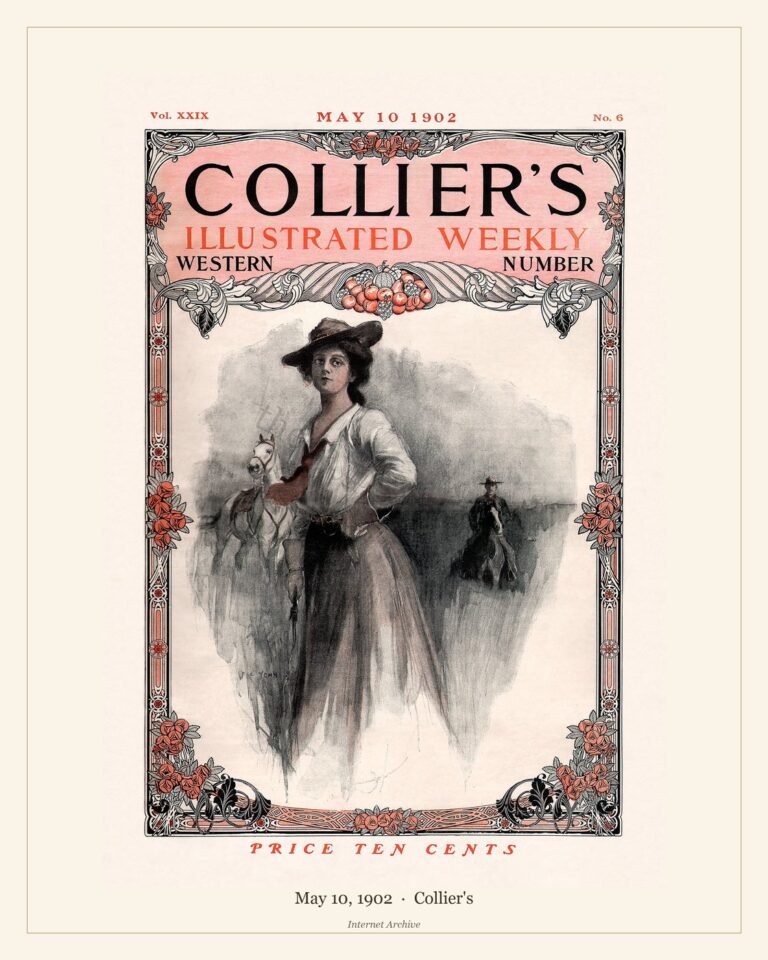
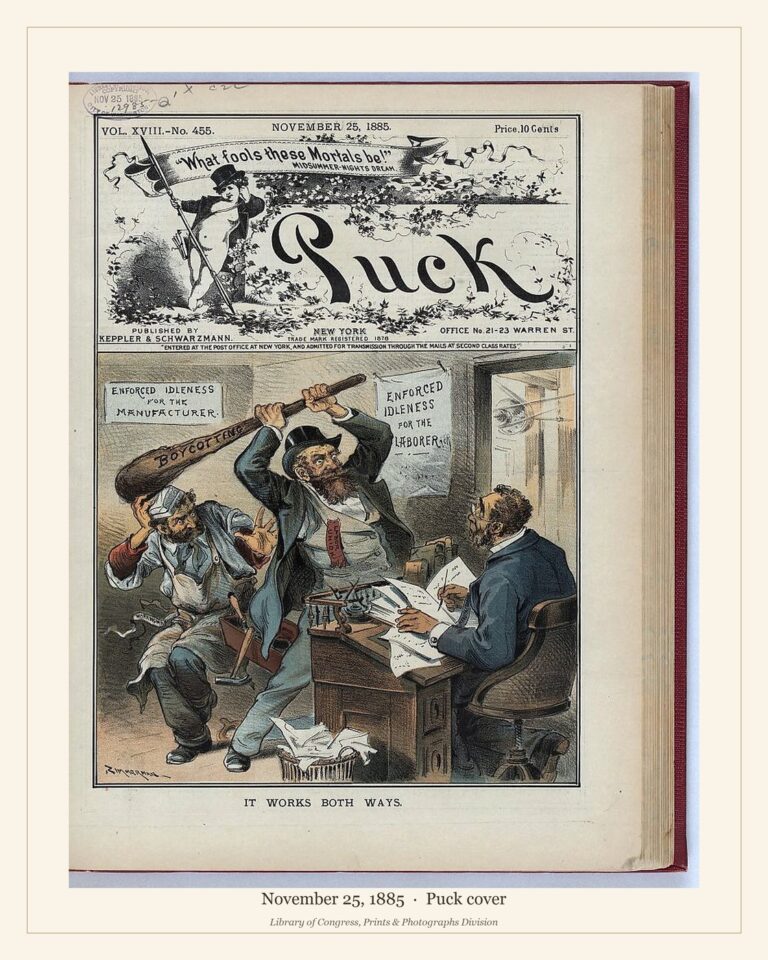
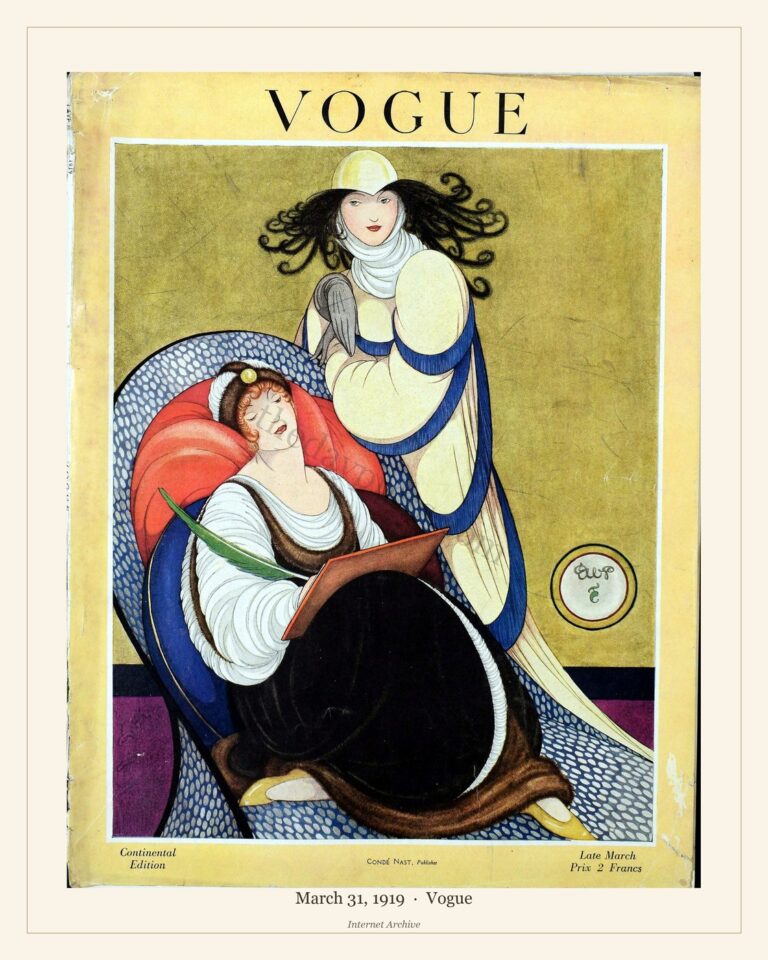
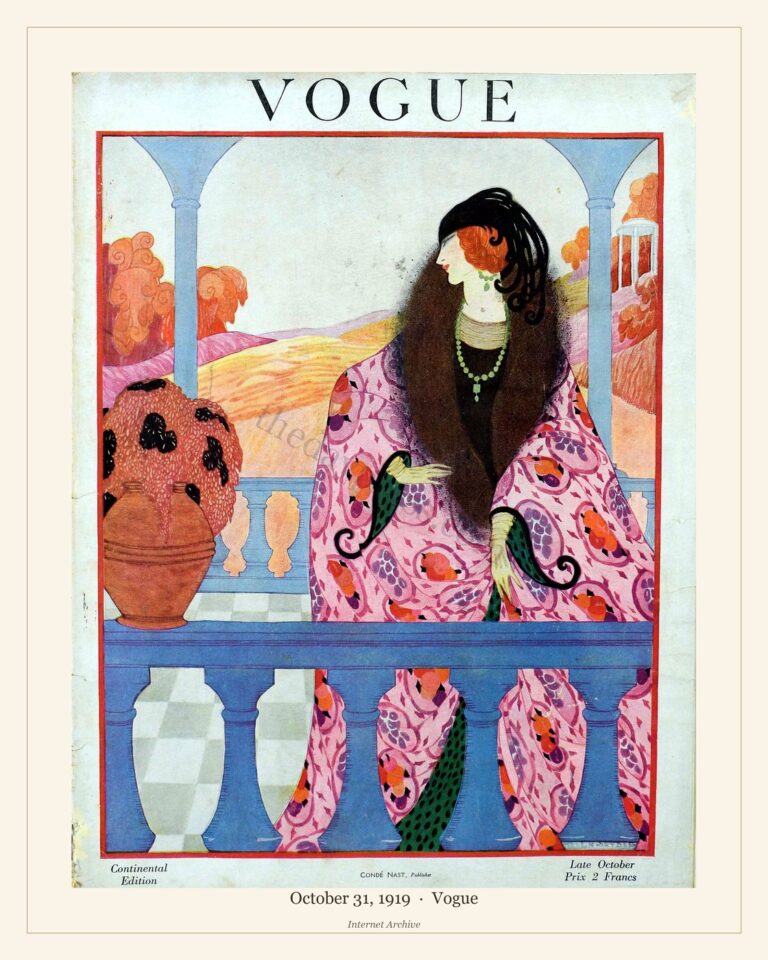
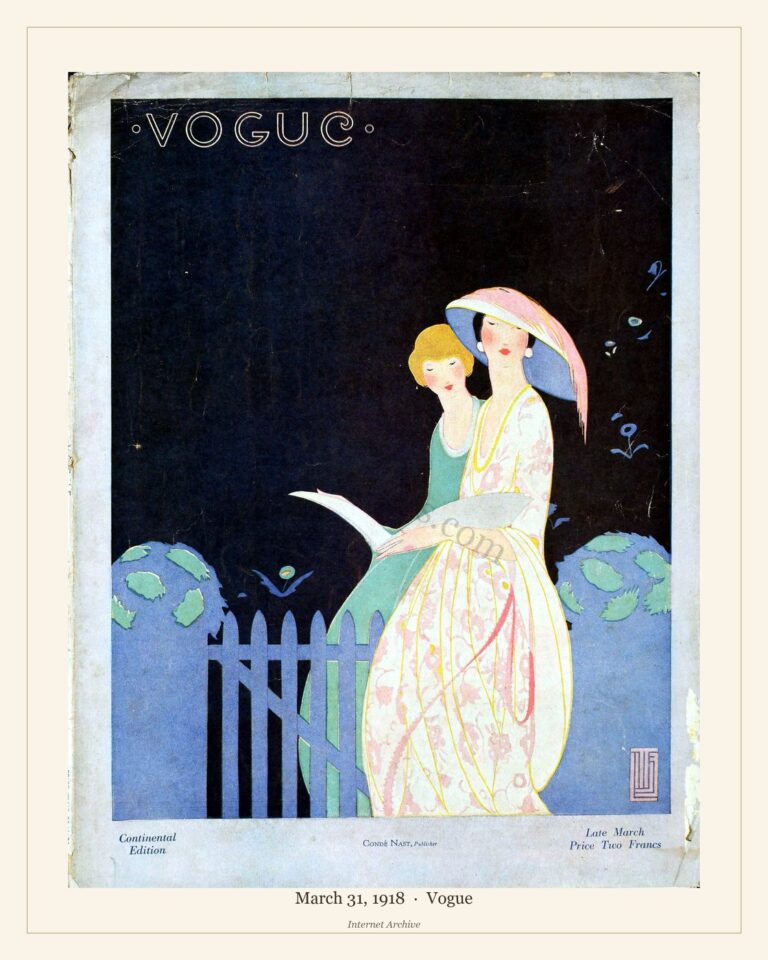
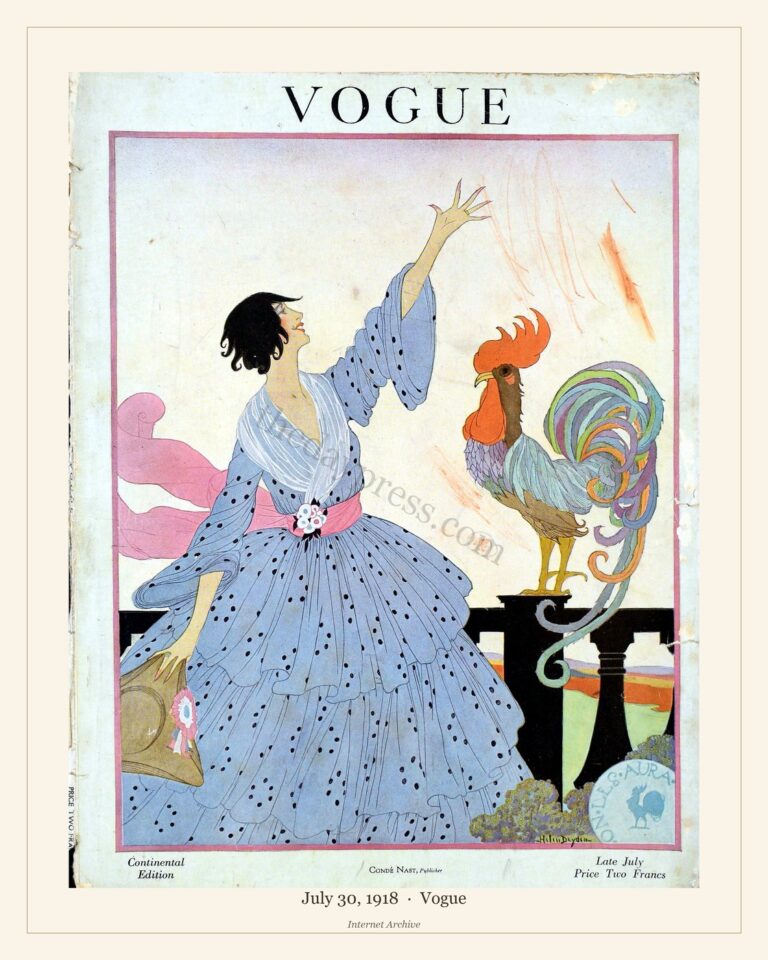
The magazine covers in our archive come from the golden age of American illustration, each dated to the real issue it appeared on. Browse the magazine cover art →
Frequently asked questions
When was the golden age of American illustration?
Roughly 1880 to 1930, before photography and film took over popular visual culture.
Who were the leading illustrators?
Charles Dana Gibson, J. C. Leyendecker, Maxfield Parrish, Howard Chandler Christy, Coles Phillips, N. C. Wyeth, and Jessie Willcox Smith, among others.
Why did illustration matter so much?
Before cheap photography, film, and television, the drawn image carried the news, sold products, and set the ideals of a mass society.
Why did the era end?
Photography took over covers and advertising from the 1930s, and film and television displaced the illustrated magazine.
Further reading
- Browse magazine cover art
- Browse by theme, month, and decade
- Walt Reed, The Illustrator in America, 1860–2000 (The Society of Illustrators, 2001).
- Susan E. Meyer, America’s Great Illustrators (Abrams, 1978).
The Day Press curates, restores, and reformats public-domain American printed images from 1885 to 1928 for archival-quality home printing. Browse the archive · Browse by theme, month, decade.