The best paper for printing vintage art at home
TL;DR — The best paper for printing vintage art at home is a heavyweight matte fine-art paper, ideally 200 gsm or more, acid-free, with a smooth or lightly textured surface. Matte suits antique prints far better than glossy, and acid-free (cotton-rag or alpha-cellulose) paper lasts for decades without yellowing. This guide explains the choices and the material science behind them.
By The Day Press · Published July 2026
Why paper matters most
Of all the choices you make, paper has the largest effect on how a printed image looks and lasts. A heavyweight matte fine-art paper renders the soft, layered colour of chromolithographs and early colour printing far better than thin office stock, which looks flat, shows its texture through the ink, and buckles (‘cockles’) as the paper fibres swell unevenly with moisture from the ink.
Getting the paper right is most of the battle; almost everything else is secondary.
Matte versus glossy
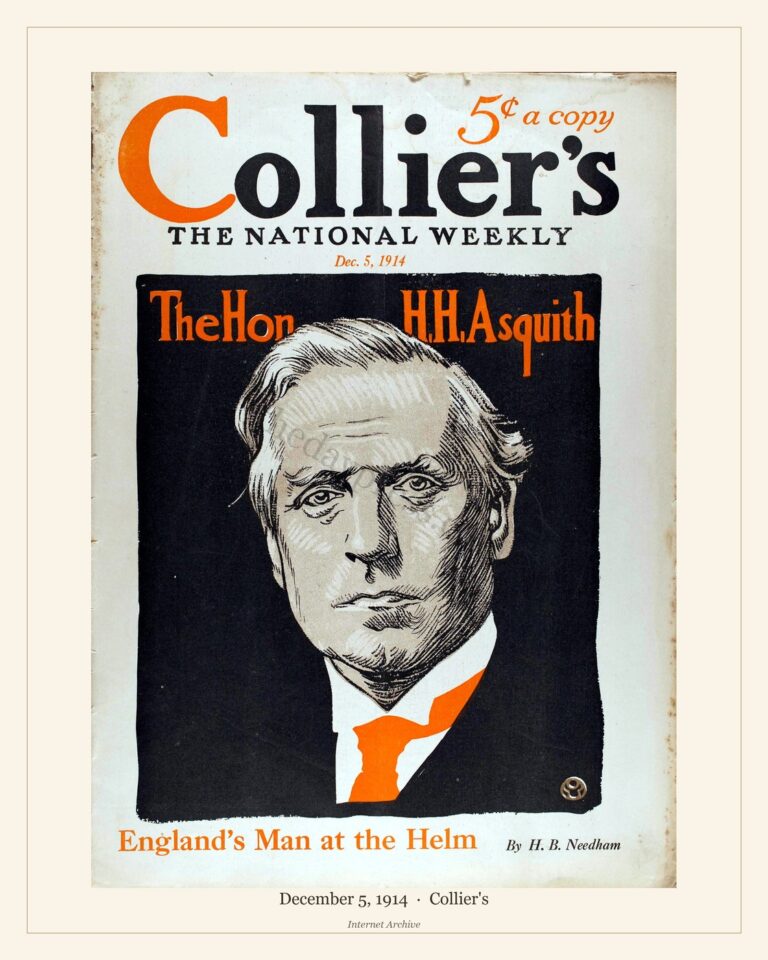
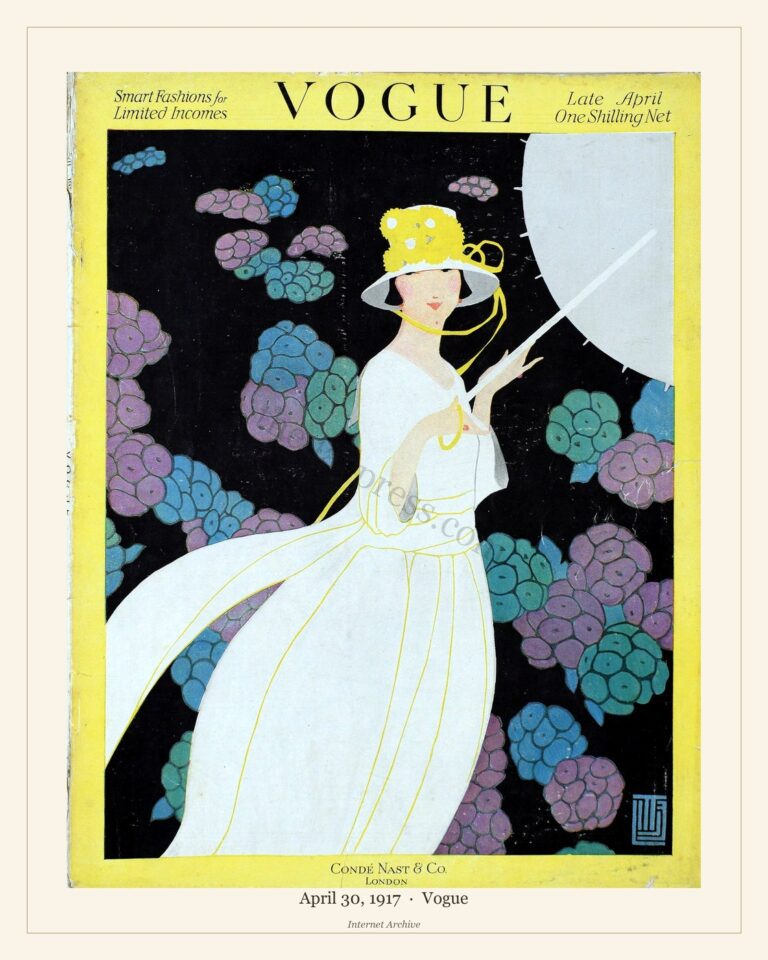
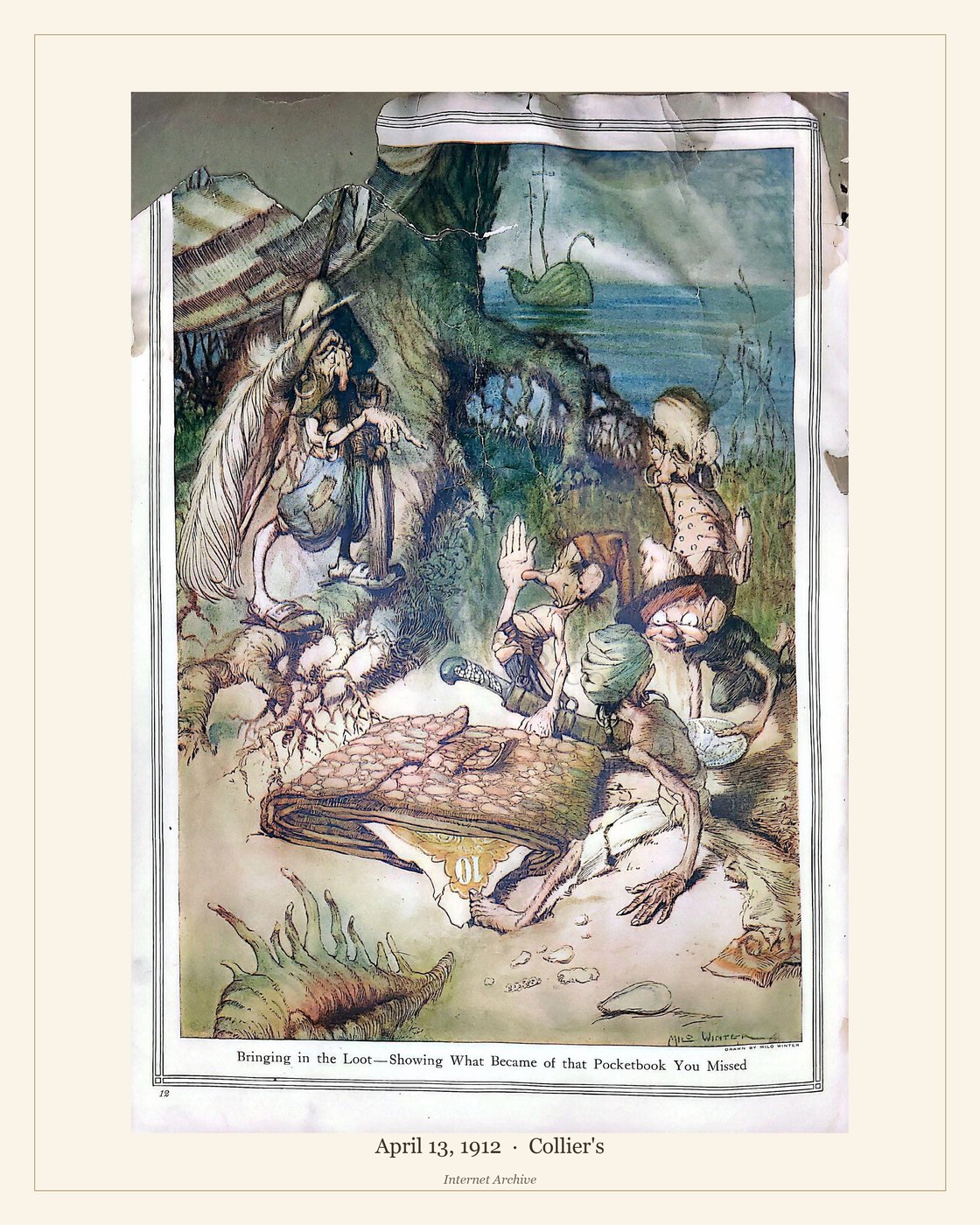
For vintage art, matte almost always wins. A matte surface scatters light softly, reads as ‘fine art’, and — crucially — does not fight with the glass once framed, so it avoids glare. Glossy photo paper can look sharp for photographs but gives an antique illustration a cheap, plasticky sheen and mirrors every light in the room. The soft colour of a chromolithograph belongs on a matte surface, as the originals were.
The archival papers
For a print you intend to keep, the paper should be acid-free. Ordinary paper contains acids and lignin (a component of wood pulp) that break down in light and air, yellowing and embrittling the sheet within years. Archival papers avoid this. The gold standard is 100% cotton rag — paper made from cotton fibre, naturally acid-free and stable for centuries, the same material fine-art printmakers use. A good alpha-cellulose (purified wood-pulp) matte paper is a more affordable option that still meets archival standards.
Weight matters too: aim for 200 gsm (grams per square metre) or heavier, so the print feels substantial and lies flat.
What to buy
In short: a matte or ‘fine-art’ inkjet paper, acid-free, 200 gsm or heavier. Cotton-rag papers are the best and longest-lasting; a heavyweight alpha-cellulose matte is excellent value. Avoid thin office and copy paper, which washes out colour and yellows, and glossy photo paper, which cheapens the image.
Good choices, in order of cost:
- Cotton-rag fine-art matte — best, archival, lasts centuries
- Heavyweight alpha-cellulose matte — excellent value, still archival
- Standard matte photo paper, 200 gsm+ — good for everyday framing
- Avoid: thin office/copy paper and glossy photo paper
Every file in our archive is prepared to print cleanly on good matte paper, restored from a public-domain original. See the full print guide →
Frequently asked questions
Is glossy ever a good idea?
Rarely for vintage art. Matte suits the soft colour of these images and avoids glare under glass; glossy gives an antique illustration a plasticky sheen.
What weight should the paper be?
Aim for 200 gsm or heavier so the print feels substantial and lies flat.
What makes paper archival?
Being acid-free and lignin-free. Cotton-rag paper is the gold standard; good alpha-cellulose papers also meet archival standards.
Does archival paper really last longer?
Yes — acid-free papers resist the yellowing and brittleness that degrade ordinary paper within a few years, lasting decades or centuries.
Further reading
- How to print and frame
- Browse magazine cover art
- Dard Hunter, Papermaking: The History and Technique of an Ancient Craft (Dover, 1978).
- Margaret Holben Ellis, The Care of Prints and Drawings (Rowman & Littlefield / AASLH, 1987).
The Day Press curates, restores, and reformats public-domain American printed images from 1885 to 1928 for archival-quality home printing. Browse the archive · Browse by theme, month, decade.