Where these images come from
TL;DR — Our images come from the digitised public-domain collections of major libraries and archives — among them the Library of Congress, the Smithsonian, the New York Public Library, and the Internet Archive. This piece explains that source material, how we select from it, and what we do to a raw scan to turn it into a print-ready file.
By The Day Press · Published July 2026
The source: public library and archive scans
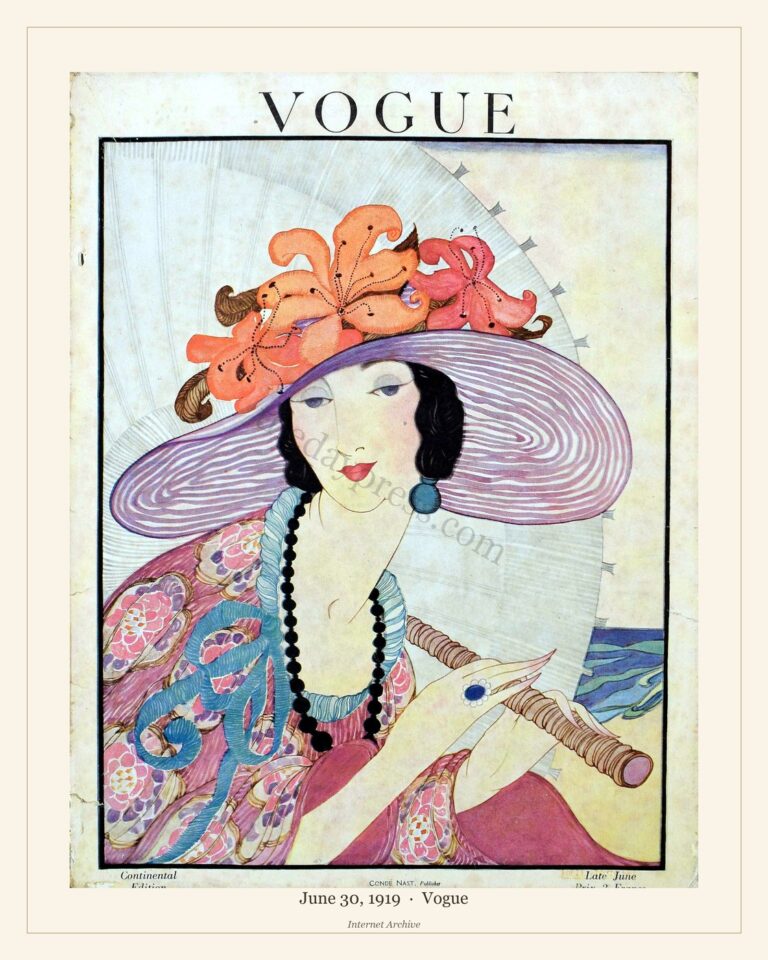
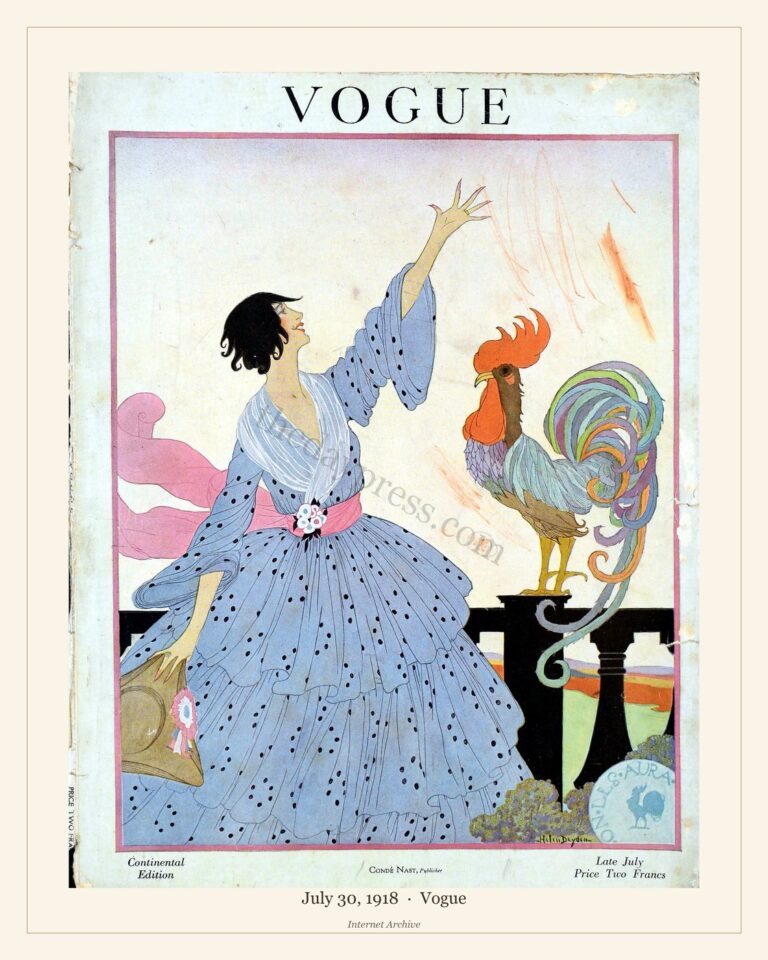
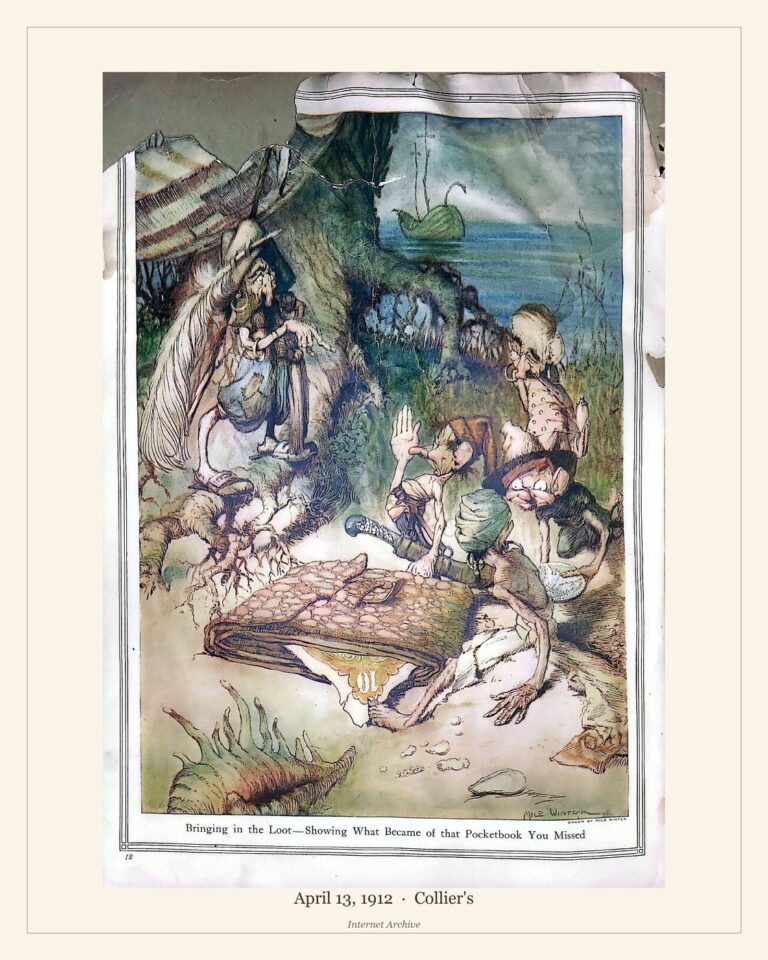
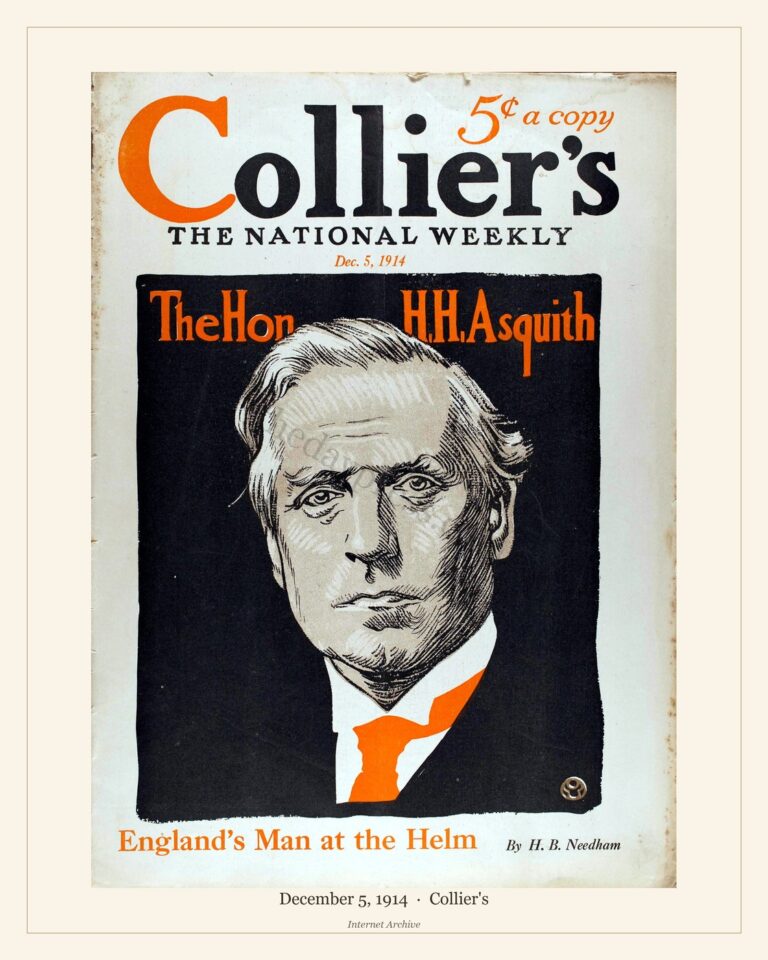
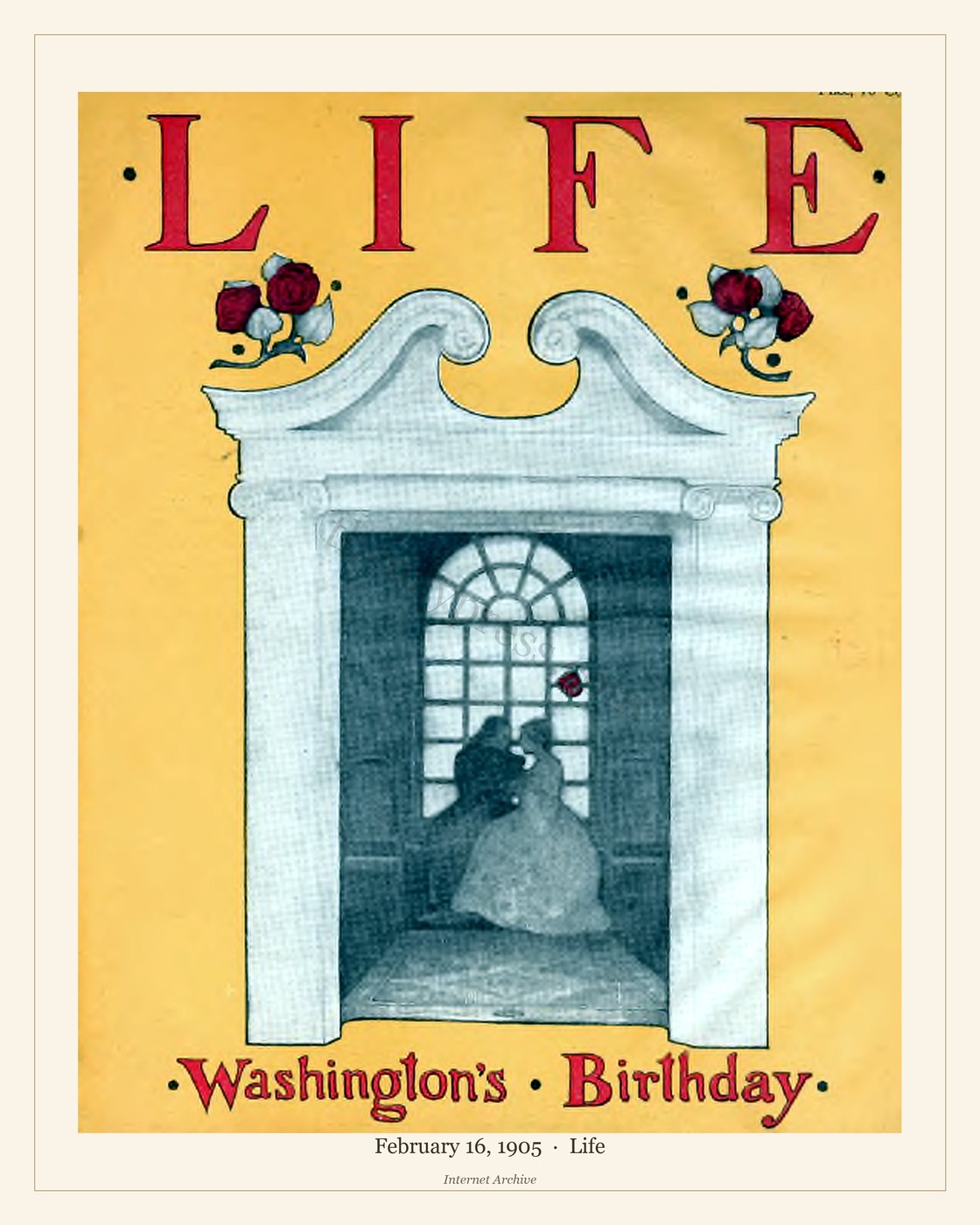
Every image in this archive begins as a high-resolution scan made by a library, museum, or archive and released into the public domain. Over the past two decades, the great cultural institutions have digitised enormous quantities of their holdings and made them freely available — one of the quiet triumphs of the digital age. The major sources for this kind of material include the Library of Congress Prints and Photographs collection, the Smithsonian’s open-access release, the New York Public Library Digital Collections, and the Internet Archive’s scanned periodicals.
These are reference-grade scans of real, catalogued artefacts, which is what lets us date each image honestly to a genuine source.
How we choose
The raw material runs to millions of images, most of which are not suitable to print and frame. We select for three things above all: strong colour, genuine visual quality, and a verifiable date between 1885 and 1928. A publication that produced only one striking image still contributes that one; we organise the archive by date and theme rather than trying to reproduce every issue of every title.
Selection is most of the work. The value is not in access to the scans — they are free to everyone — but in the judgement of which few are worth restoring and framing.
What we do to the file
A raw scan is made for reference, not for printing, and it rarely looks good straight from the archive: it may be crooked, show the page edge or gutter, carry dust and stains, and have colour that has faded or shifted over a century. We straighten and crop it, clean the damage, correct the colour back toward the original, and prepare it at three print sizes at 300 dpi so it stays sharp even at the largest.
The result is a file that prints as the original was meant to look, cleaned of a century of wear.
Standing on public digitisation
None of this would be possible without the publicly funded preservation and digitisation that these institutions carry out. We do not claim their collections as our own; we build on the public good they have created, selecting and preparing the best of it for people who want to print and frame a piece of it.
The prints in our archive are restored from these public-domain sources, each dated as precisely as the source allows. Browse the archive →
Frequently asked questions
Are these scans or new photographs?
They are restored from high-resolution public-domain scans made by libraries and archives, then prepared for printing.
Which institutions do the images come from?
Chiefly the Library of Congress, the Smithsonian, the New York Public Library, and the Internet Archive, among other public-domain collections.
Do you alter the images?
We restore them — straightening, cleaning, and colour-correcting — but we don’t invent content or fabricate dates.
What are you actually selling if the scans are free?
The curation and restoration: the judgement of which images are worth framing, and the work of preparing a print-ready file from a raw scan.
Further reading
- Browse by theme, month, and decade
- See all collections
- Peter C. Marzio, The Democratic Art: Chromolithography 1840–1900 (David R. Godine, 1979).
- Frank Luther Mott, A History of American Magazines (Harvard University Press, 1938–1968).
The Day Press curates, restores, and reformats public-domain American printed images from 1885 to 1928 for archival-quality home printing. Browse the archive · Browse by theme, month, decade.