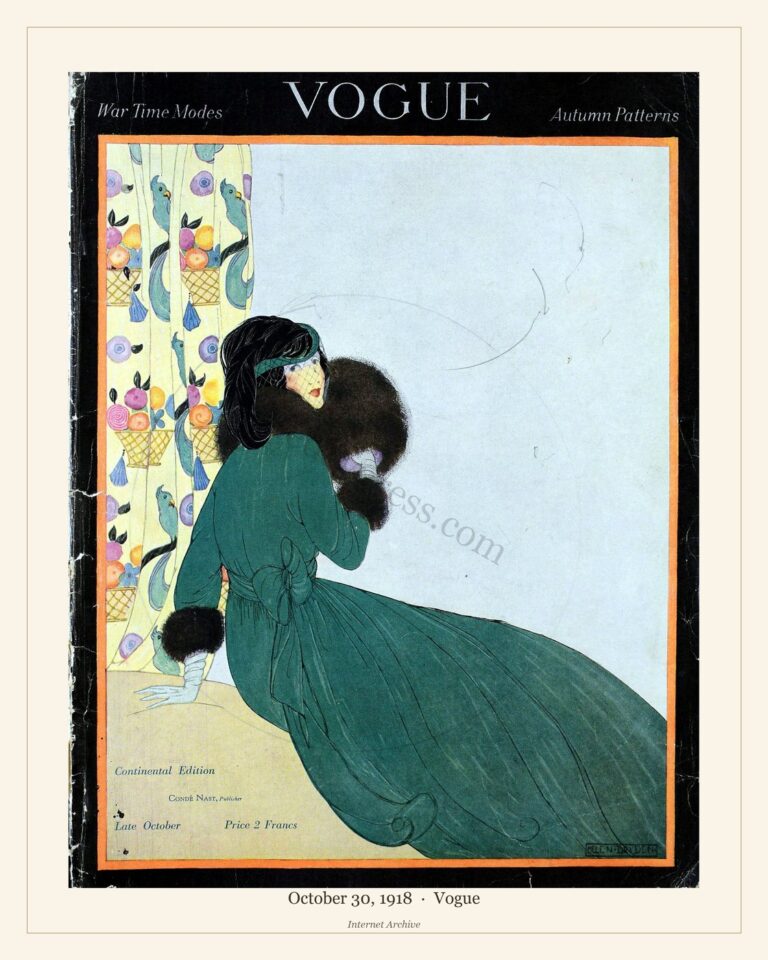
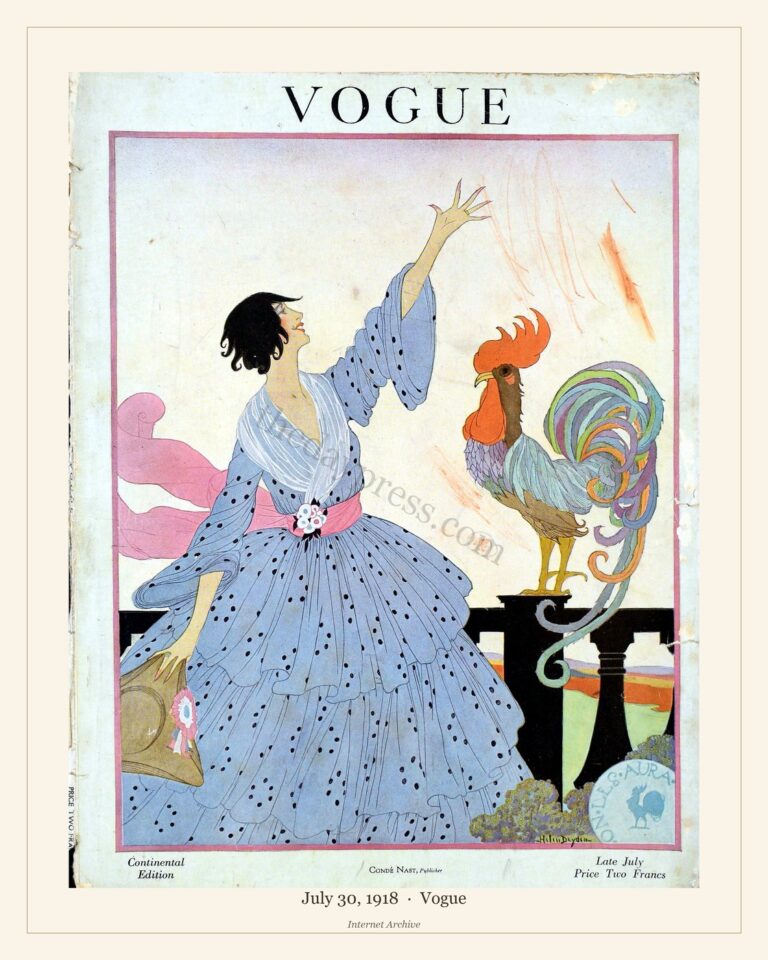
The Saturday Evening Post cover tradition
TL;DR — The Saturday Evening Post built the most famous cover tradition in American magazines. Under editor George Horace Lorimer, publisher Cyrus Curtis’s weekly became the most widely read magazine in the country, and its cover — by J. C. Leyendecker, later Norman Rockwell, and many others — turned the magazine front into a national art form. This survey traces that tradition: how the Post rose, who made its covers across the decades, and why the Post cover became a shared American image.
By The Day Press · Published September 2026
Curtis, Lorimer, and the rise of the Post
The Saturday Evening Post was an old, faded weekly when Cyrus H. K. Curtis bought it in 1897 and installed the young George Horace Lorimer as editor in 1899. Together they built it into the most widely read magazine in America, its circulation running into the millions, funded by advertising and sold cheaply to a mass middle-class readership.
The cover was central to the formula. A single, warm, instantly legible image on the front of a magazine delivered to millions of homes each week became one of the most-seen pictures in American life.
The cover artists
The Post cover made careers. J. C. Leyendecker, who began drawing for the magazine in 1899, produced hundreds of covers and created its New Year baby tradition; his decorative brilliance set the early standard. In 1916 a young Norman Rockwell drew his first Post cover, beginning the association that would make him the most famous illustrator in America. In between and alongside were Harrison Fisher, J. J. Gould, Guernsey Moore, and many others.
Across these hands the Post cover developed its characteristic voice: warm, humorous, closely observed, and deeply legible to a national audience. It became the benchmark every other magazine cover measured itself against.
A shared national image
The Post cover’s importance lay in its reach. In an age before broadcasting, a picture on millions of doorsteps every week was one of the few genuinely shared national images. What the Post chose to show — the types, the scenes, the small dramas of ordinary life — helped a vast public picture itself and its country.
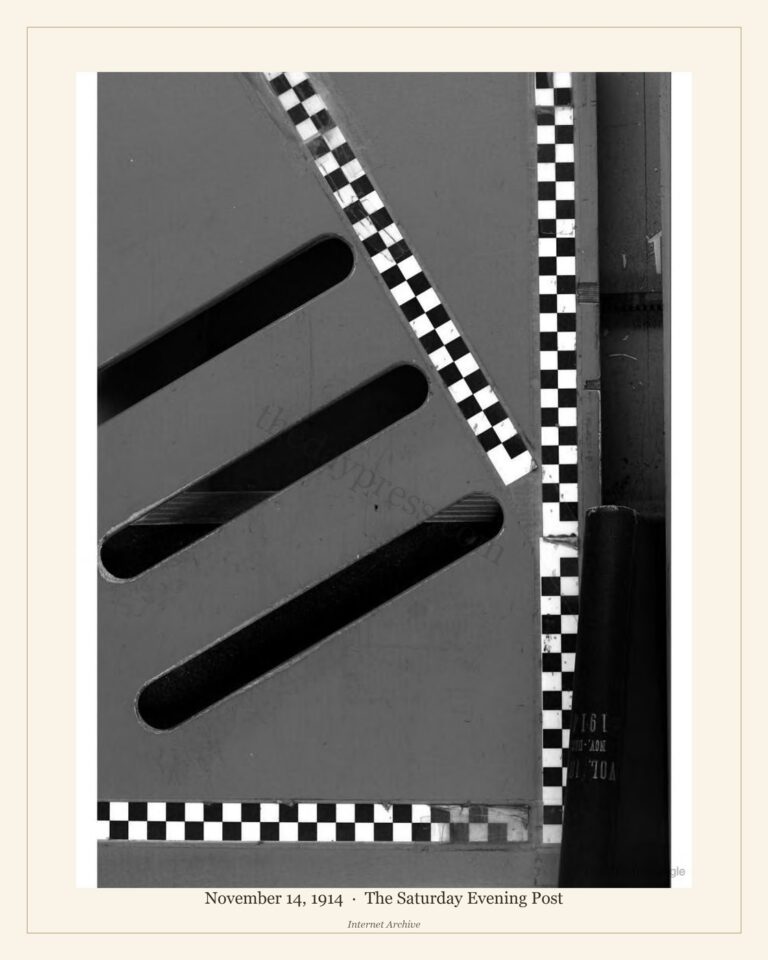
This is why even the Post’s early covers, a decade before Rockwell, repay attention: they are pieces of the common visual culture of early-twentieth-century America.
The tradition’s place in history
The Post’s great illustrated-cover era ran from the 1900s through the 1930s and beyond, the longest and most influential such tradition in American publishing. Its covers are a running portrait of how the country saw itself for half a century — the standard against which the whole art of the magazine cover is judged.
The magazine covers in our archive, the Post among them, are each dated to the real issue they appeared on. Browse the magazine cover art →
Frequently asked questions
Who built the Saturday Evening Post?
Publisher Cyrus Curtis, who bought it in 1897, and editor George Horace Lorimer, who ran it from 1899 to 1936 and made it the most widely read magazine in America.
When did Norman Rockwell start?
His first Post cover was in 1916. The earlier covers were by other artists, notably J. C. Leyendecker, Harrison Fisher, and J. J. Gould.
Who created the New Year baby?
J. C. Leyendecker, on the Post’s covers from 1907.
Why were Post covers so influential?
Seen on millions of doorsteps weekly, they were a shared national image and the benchmark for the whole art of the magazine cover.
Further reading
- Browse magazine cover art
- Browse by theme, month, and decade
- Jan Cohn, Creating America: George Horace Lorimer and The Saturday Evening Post (University of Pittsburgh Press, 1989).
- Susan E. Meyer, America’s Great Illustrators (Abrams, 1978).
The Day Press curates, restores, and reformats public-domain American printed images from 1885 to 1928 for archival-quality home printing. Browse the archive · Browse by theme, month, decade.