How we date a print honestly
TL;DR — We date every print to the real publication date of its source, and we say exactly how precise that date is. A weekly magazine cover carries a real day; a monthly carries a real month; some images we can place only to a year. We never invent a day we don’t know. This piece explains our dating method and why honest precision is a firm rule, not a preference.
By The Day Press · Published August 2026
The date at its real precision
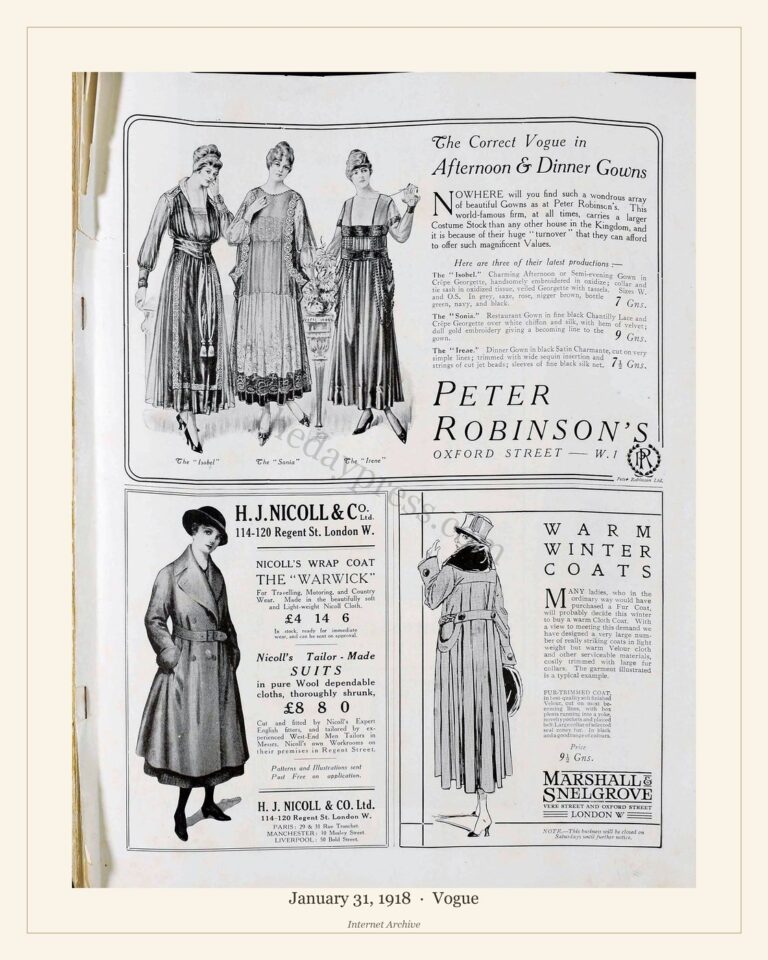
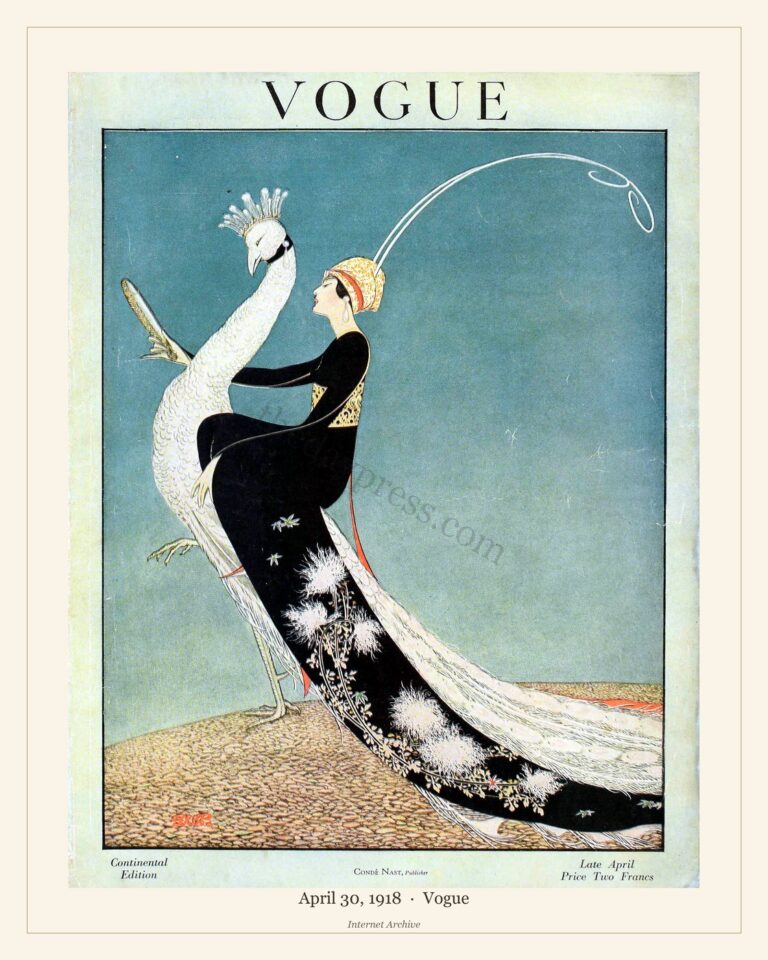
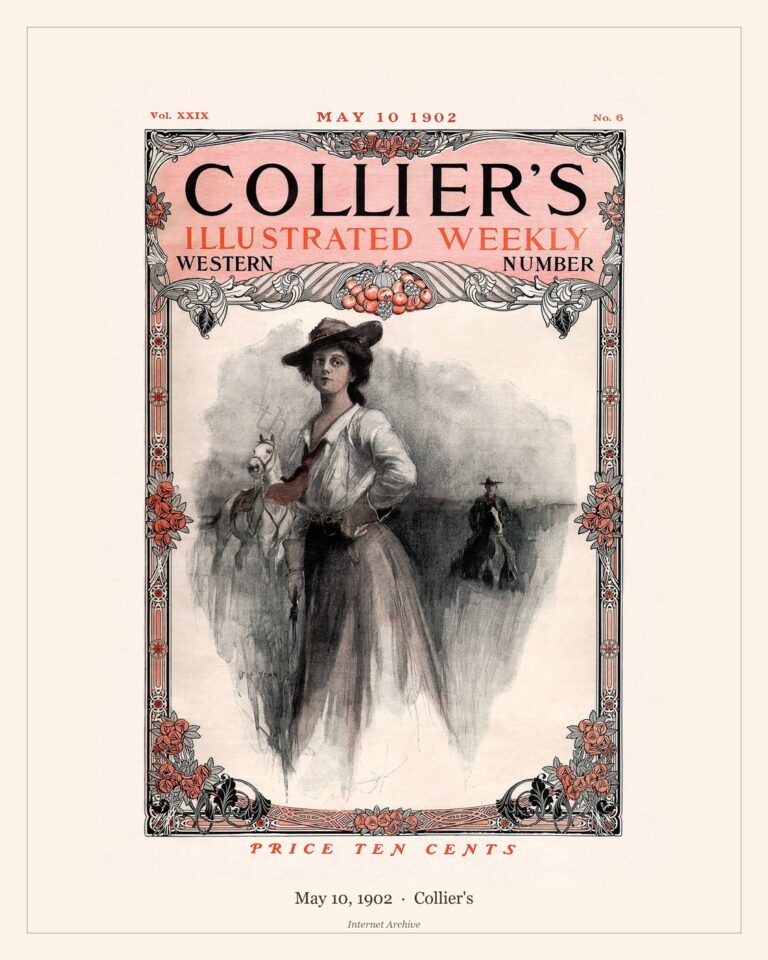
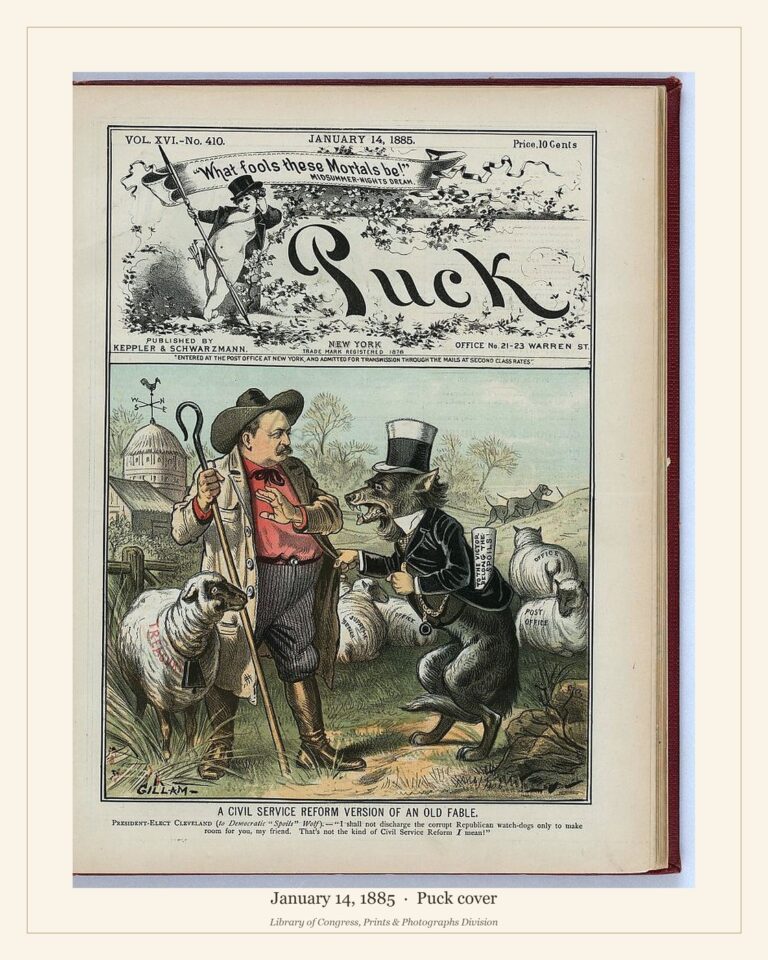
Every image is dated to the actual publication date of the issue or piece it comes from, and labelled at the precision we can genuinely verify. A weekly magazine like Puck or Life gives an exact day. A monthly like Cosmopolitan or the Ladies’ Home Journal gives a real month, but not a day, because the issue itself carried only a month. A few images — undated prints, or those known only from secondary evidence — we can place only to a year, or to ‘circa’ a year.
We label each at that true precision and no further: a full date, a month, or a year, according to what the source actually supports.
Why we never round up
It would be easy, and commercially tempting, to invent a specific day for a monthly or an undated print — to make a ‘birthday’ match feel neater. We refuse to, on principle. The entire value of a historic dated print rests on the date being real. Fabricate one date, and none of our dates can be trusted; the whole archive’s credibility depends on never doing it.
Many of our customers are history-minded people who can and do check. We would rather earn that scrutiny than fail it.
How to read our date labels
When you see a full date on one of our prints, that is the genuine publication day. When you see only a month, that is because the source was a monthly and no day exists to give. When you see only a year, or ‘circa’ a year, that is the most precise honest date available. Marketing copy around a gift may celebrate a customer’s specific day; the artwork itself never carries a date we made up.
Why it matters
Honest dating is not pedantry — it is the difference between a genuine historic artefact and a decorative object pretending to be one. A print that really was published on, or in the month of, a date that matters to you carries a weight that a fabricated match never could. That authenticity is the thing worth protecting.
Every print in our archive is dated to the real publication date of its source, at its true precision. Browse by date →
Frequently asked questions
Is the date on my print the real one?
Yes. It is the genuine publication date of the source, shown at the precision we can verify — day, month, or year.
What if you only know the year?
Then we say the year (or ‘circa’ the year), and nothing more specific. We never invent a day or month to fill the gap.
Can you match my exact birthday?
Often yes for weekly magazines, which carry an exact day; for monthlies we match the month. We always tell you which.
Why does honest dating matter so much?
Because the value of a historic print is that the date is real. One fabricated date would undermine trust in every date we publish.
Further reading
- Browse by theme, month, and decade
- See all collections
- Frank Luther Mott, A History of American Magazines (Harvard University Press, 1938–1968).
- Bamber Gascoigne, How to Identify Prints (Thames & Hudson, 1986).
The Day Press curates, restores, and reformats public-domain American printed images from 1885 to 1928 for archival-quality home printing. Browse the archive · Browse by theme, month, decade.