What public domain means, and why it matters here
TL;DR — Public domain means a work’s copyright has expired, so anyone may copy, restore, and print it freely. In the United States, works first published before 1929 are in the public domain — which covers the entire 1885–1928 window this archive draws from. This piece explains what public domain is, why these images are free of copyright, and what, exactly, you are paying for when you buy a restored file.
By The Day Press · Published July 2026
What public domain actually means
A work in the public domain is no longer protected by copyright. No one holds the exclusive right to reproduce it, so anyone may copy, adapt, restore, print, and even sell copies of it, freely and without permission. Copyright is designed to be temporary: it grants creators an exclusive right for a limited period, after which the work passes into the public domain to become the shared property of everyone.
The public domain is not a loophole or a grey area; it is the intended, final destination of every creative work, and it is the foundation of libraries, archives, and projects like this one.
The United States rule
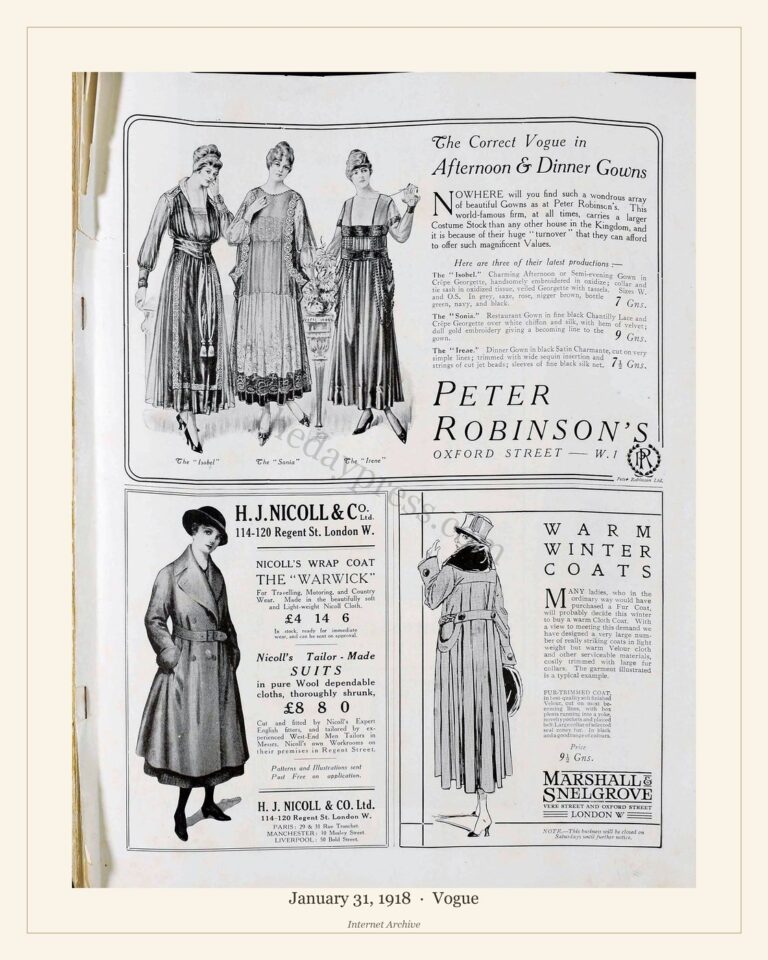
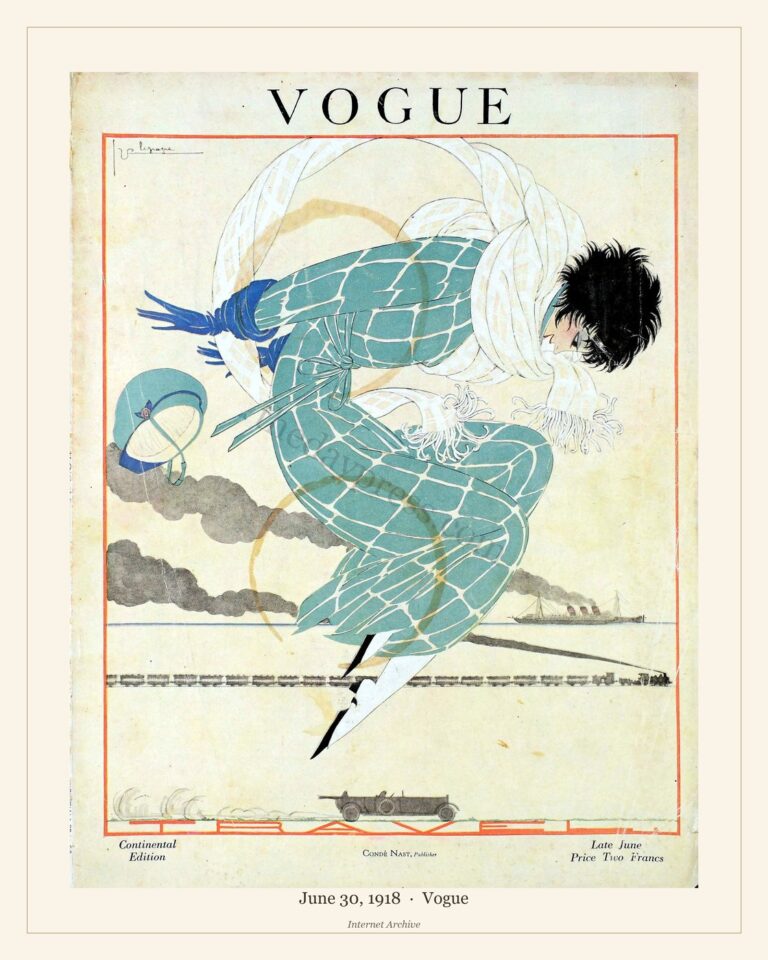
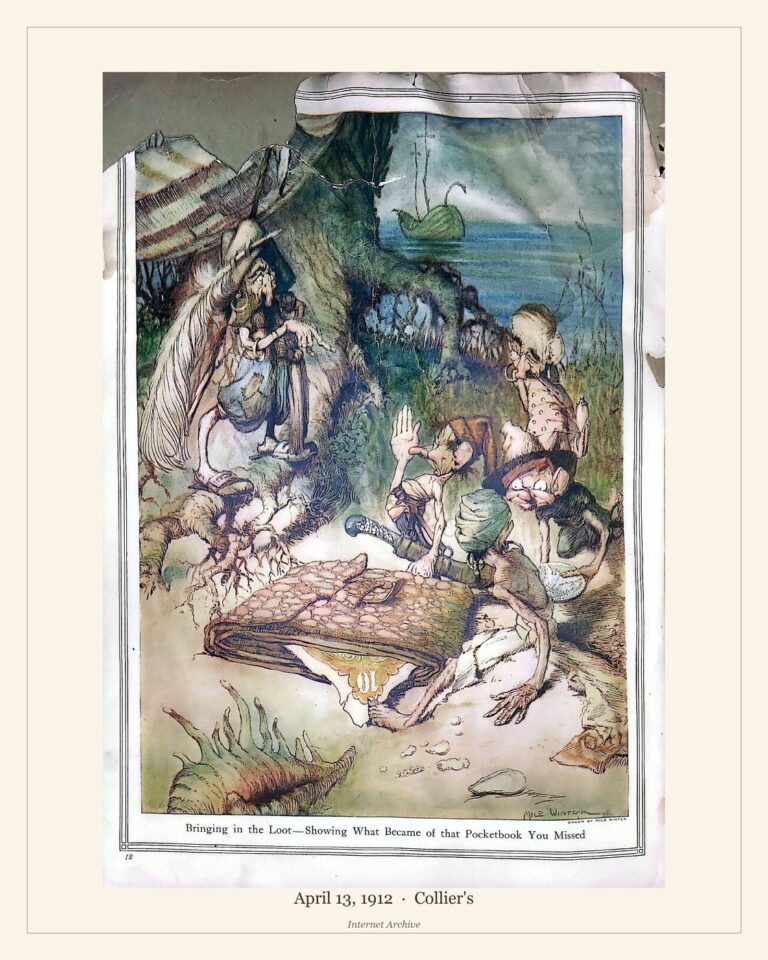
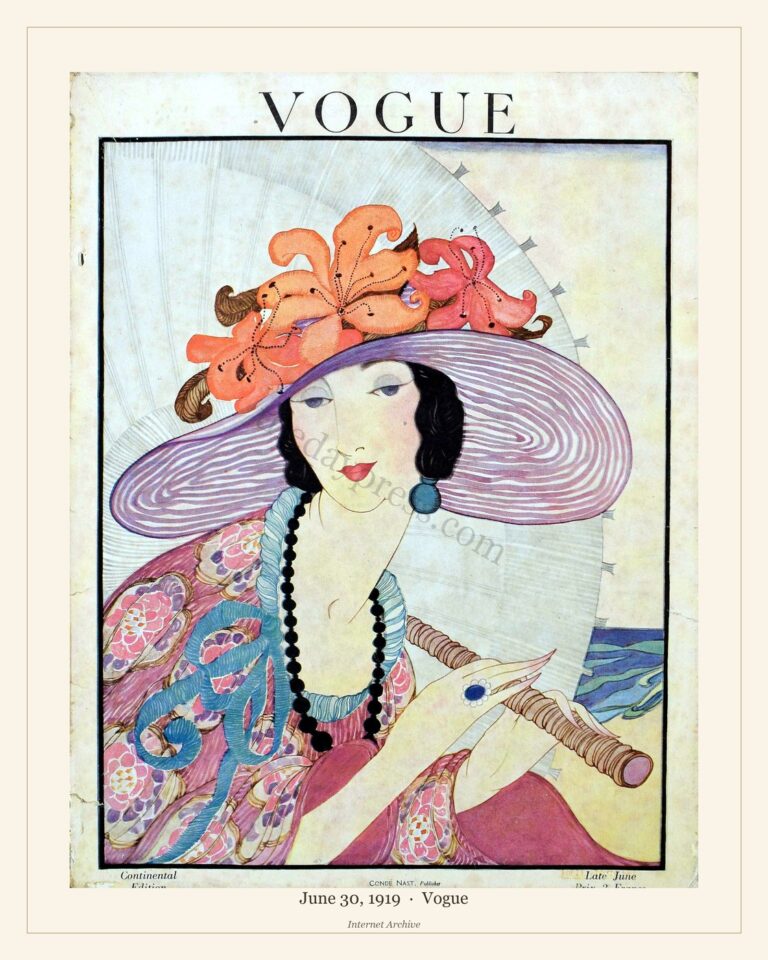
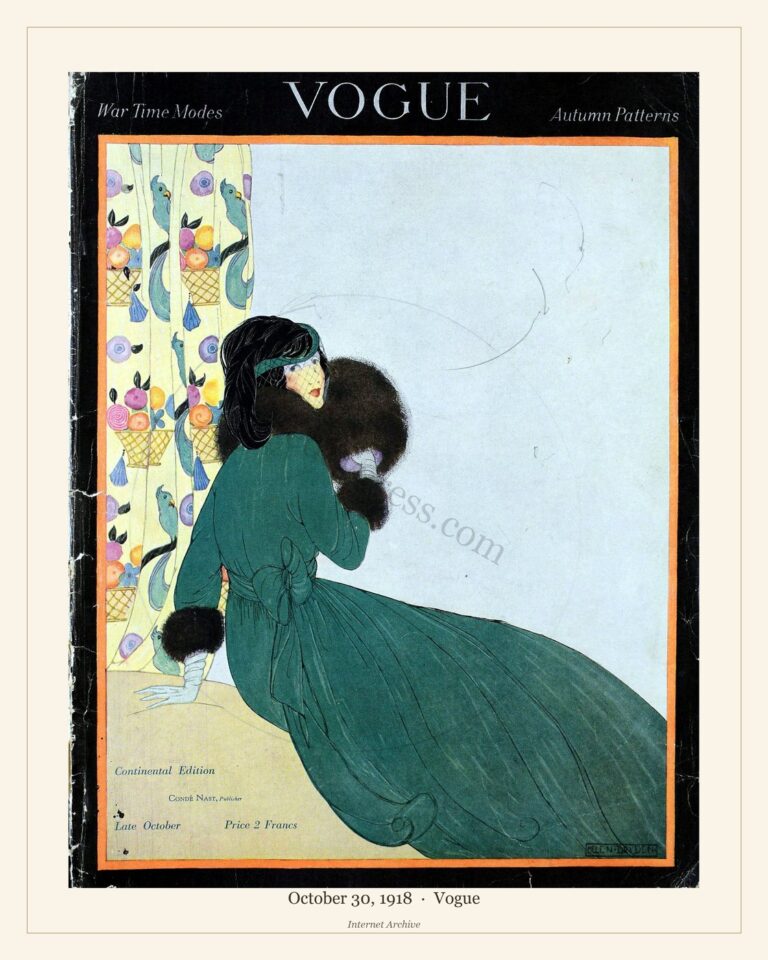
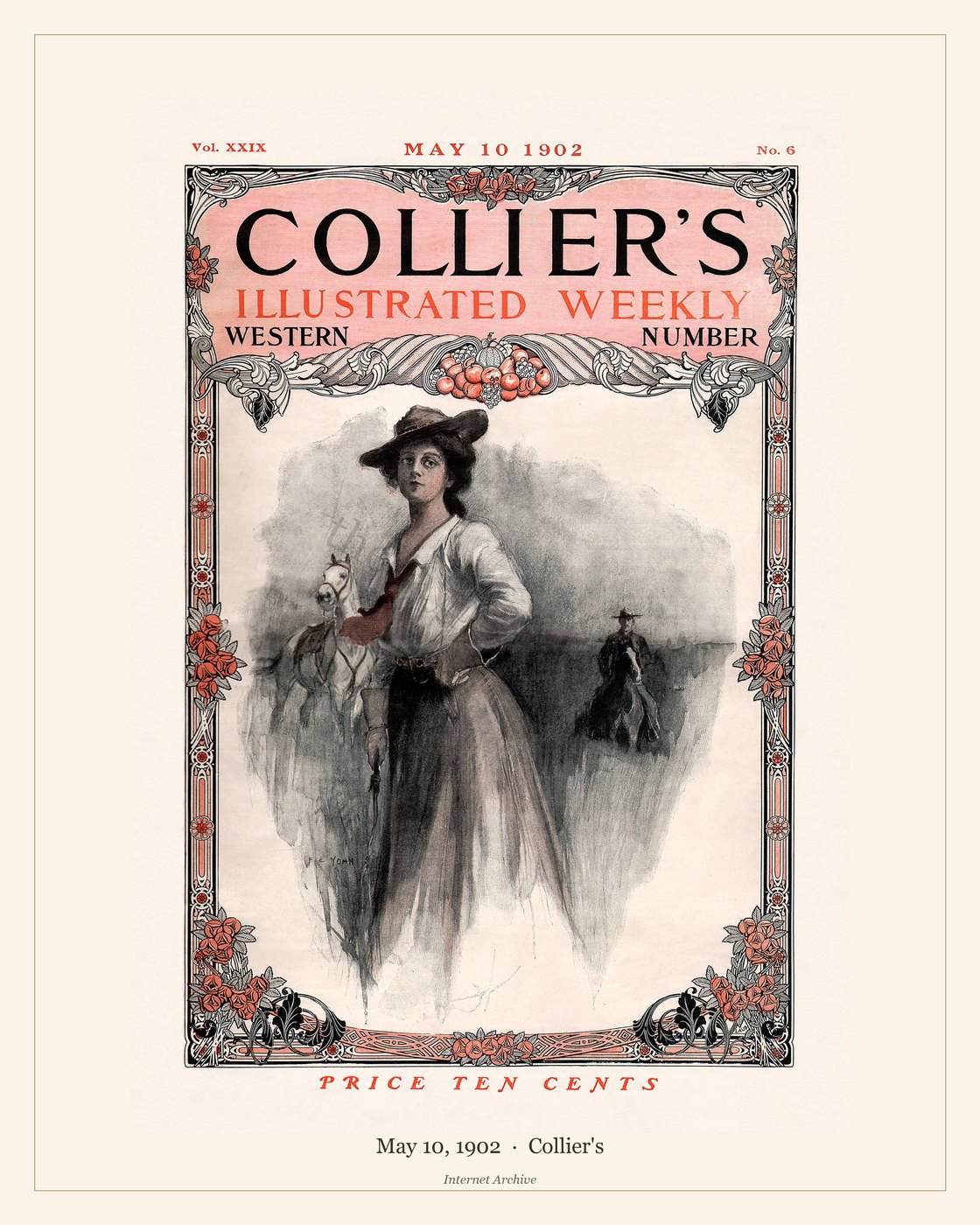
In the United States, the rule is now clear and mechanical: works first published before 1929 are in the public domain. (Published works enter the public domain 95 years after publication, and that rolling line has now passed 1928.) Everything in this archive was first published between 1885 and 1928, which places all of it safely and unambiguously in the public domain — old enough to be free of copyright, with no rights to clear.
This is why we can restrict the archive so strictly to pre-1929 material: it gives a clean, defensible line, and it happens to bound a golden age of colour printing.
What we add, and why we charge
If the underlying images are free, what are you paying for? Not the artwork — no one can own that now — but the work of turning a raw, century-old library scan into a clean, print-ready file. That means finding the strongest images among millions, restoring them (straightening, cleaning, colour-correcting), and preparing them at proper print sizes and resolution. You are paying for curation and craft, not for a copyright we do not hold and could not sell.
This is the same model as a good edition of a public-domain book: the text is free, but the careful edition has value.
What it means for you
Because these images are public domain, you can print them as many times as you like, at any size, for your own home and gifts, with no licence to buy and no watermark on the file you receive. The history is genuinely yours to hang on the wall.
The prints in our archive are all from the public domain, each dated as precisely as the source allows. Browse the archive →
Frequently asked questions
Can I print these as many times as I want?
Yes. The files are for your personal use; print them as often as you like, at any size, for your home or as gifts.
Why charge for public-domain images?
You’re paying for curation and restoration — the work of turning a raw library scan into a clean, print-ready file — not for the underlying artwork, which is free to all.
Are the source artworks really out of copyright?
Yes. Everything we sell was first published between 1885 and 1928, before the 1929 US public-domain cutoff.
What does ‘public domain’ mean?
That a work’s copyright has expired, so anyone may freely copy, restore, print, and sell it. It is the intended final destination of every creative work.
Further reading
- Browse by theme, month, and decade
- See all collections
- Peter B. Hirtle, Emily Hudson, and Andrew T. Kenyon, Copyright and Cultural Institutions (Cornell University Library, 2009).
- James Boyle, The Public Domain: Enclosing the Commons of the Mind (Yale University Press, 2008).
The Day Press curates, restores, and reformats public-domain American printed images from 1885 to 1928 for archival-quality home printing. Browse the archive · Browse by theme, month, decade.