Collier’s: the illustrated weekly as muckraker
TL;DR — Collier’s was a national weekly founded in 1888 that became a leader of the muckraking movement, pairing investigative journalism with fiction and fine cover illustration. Its 1905 patent-medicine exposé helped pass the Pure Food and Drug Act, and artists from Edward Penfield to Maxfield Parrish gave it some of the best covers of the age. This survey traces Collier’s whole arc — its crusading years, its cover art, and its evolution into a glossy Jazz Age weekly.
By The Day Press · Published October 2026
The crusading weekly
Founded in 1888 by the Irish immigrant Peter Fenelon Collier, Collier’s became by the early 1900s one of the leading voices of muckraking — the investigative journalism that exposed corruption and abuse in American life. Under editor Norman Hapgood it turned reporting into a force for reform.
Its most famous campaign was Samuel Hopkins Adams’s 1905 series ‘The Great American Fraud’, which exposed the dangerous claims of the patent-medicine industry and helped build the pressure that produced the Pure Food and Drug Act of 1906 — a rare case of a magazine measurably changing the law.
A patron of cover art
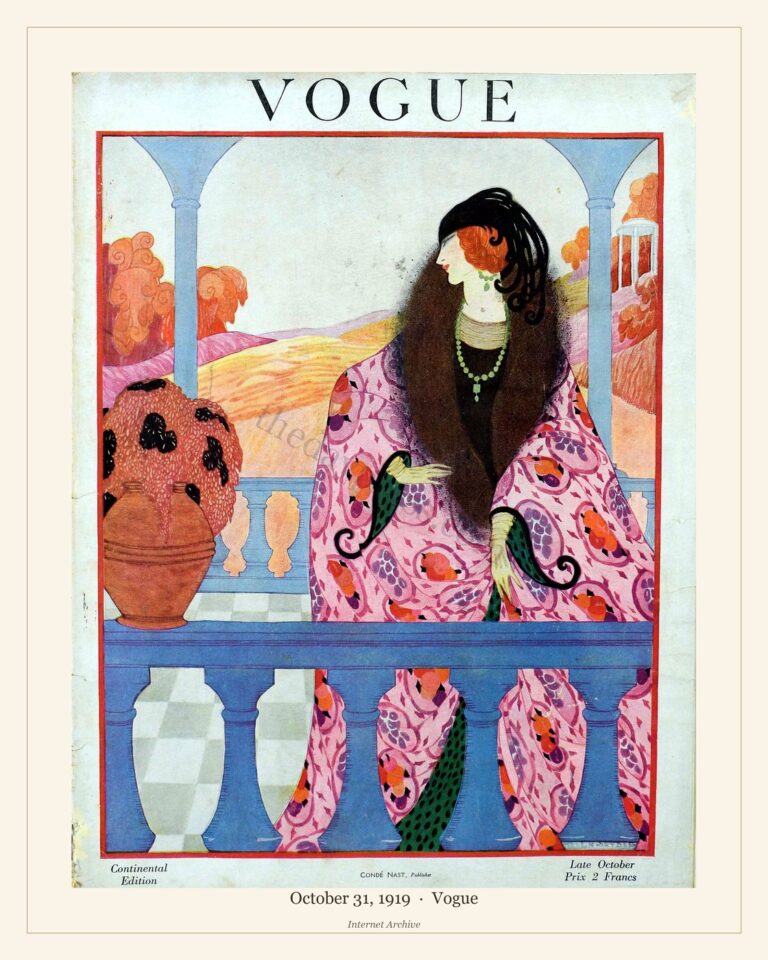
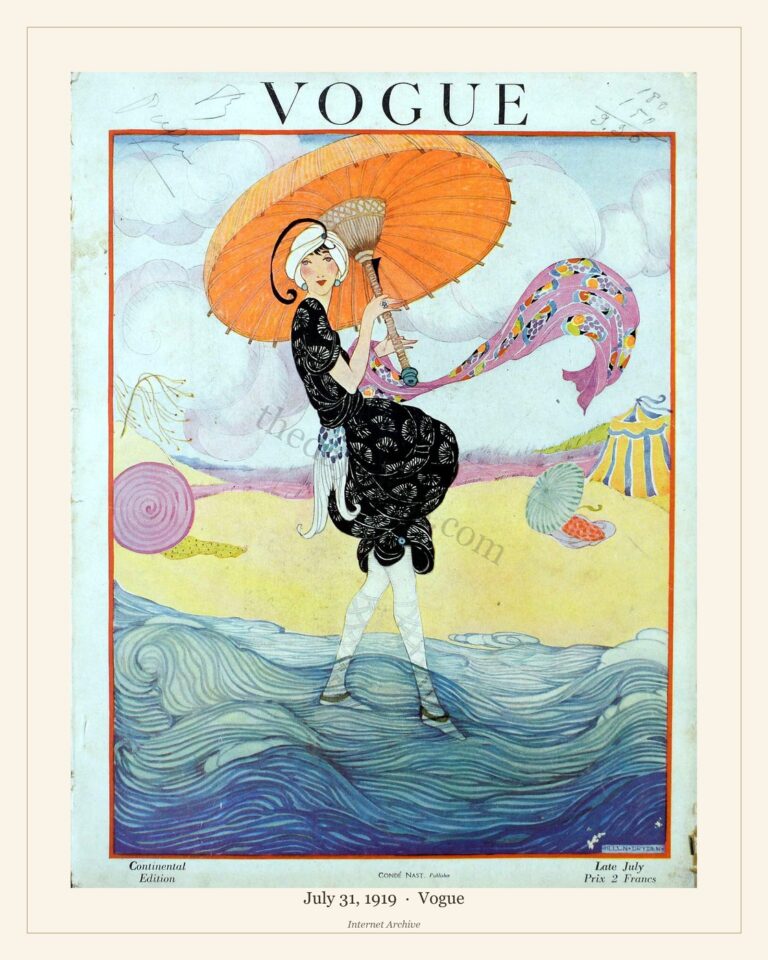
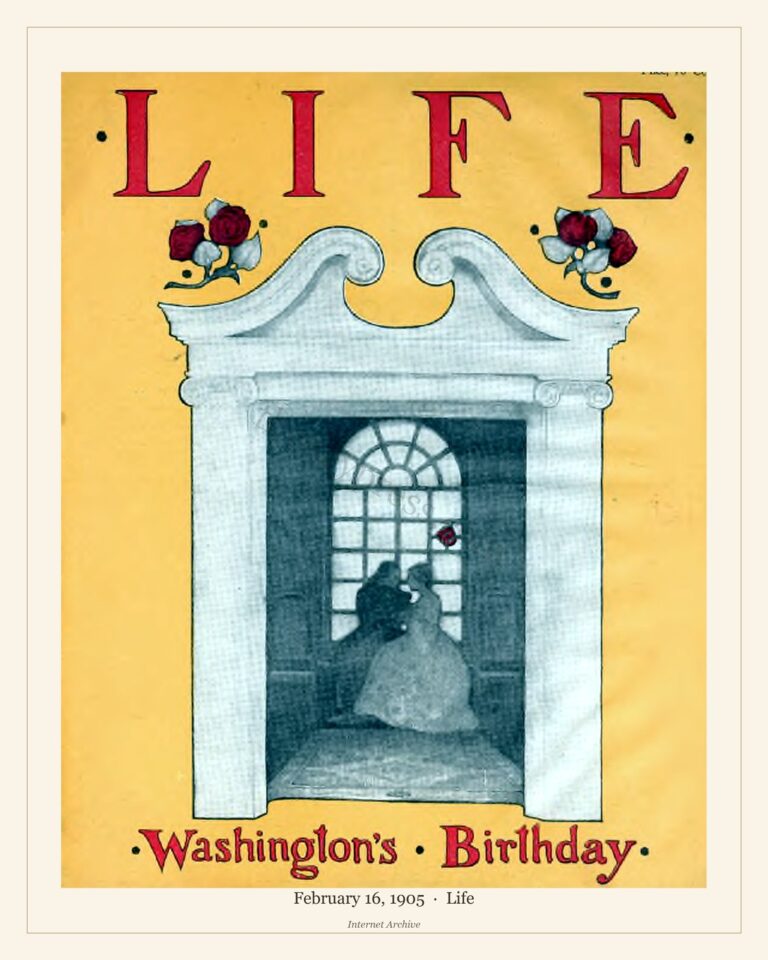
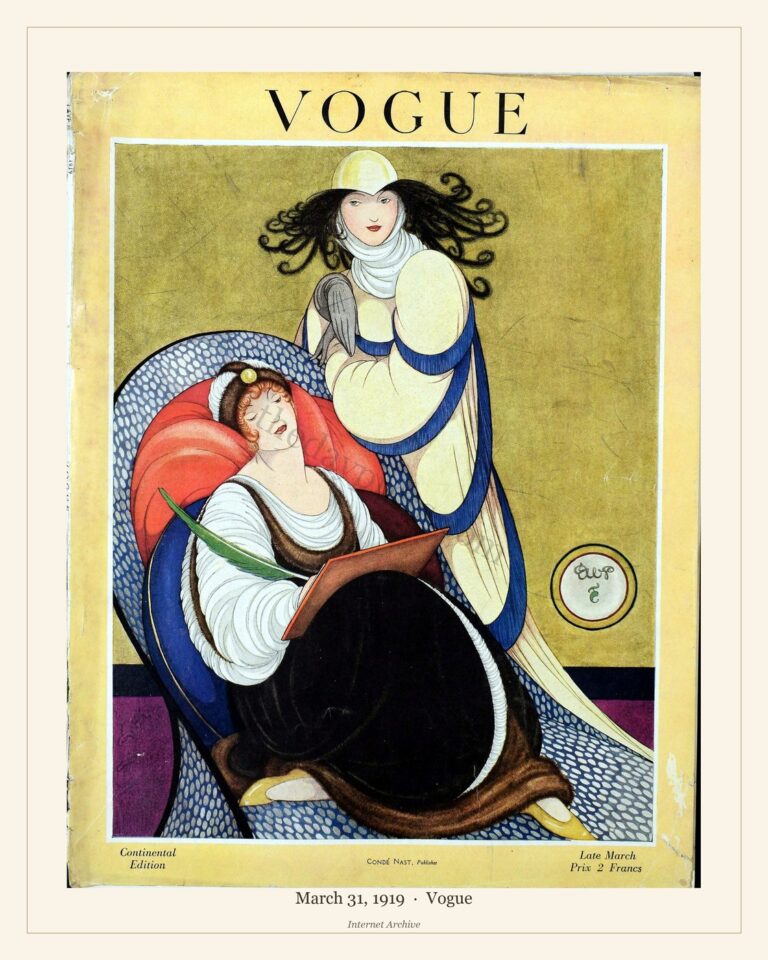
Collier’s paired its journalism with serious illustration. Edward Penfield, a father of the American poster, brought a designer’s eye to the magazine, and its covers and pages carried the work of Maxfield Parrish, Charles Dana Gibson, Frederic Remington, and other leading artists. Few magazines combined investigative weight and visual quality so effectively.
For an ambitious illustrator, a Collier’s cover was a prestigious, well-seen commission, and the magazine’s covers rank among the best American magazine art of the early twentieth century.
Into the Jazz Age and after
By the 1920s the crusading heat had cooled and Collier’s was a polished, mass-circulation national weekly, its cover art taking on the cleaner, brighter look of modern 1920s illustration. It remained a major title for decades before the general collapse of the mass general-interest weekly; it ceased publication in 1957.
Its long life — from Gilded Age crusader to Jazz Age glossy — tracks the whole arc of the American illustrated weekly.
Legacy
Collier’s is remembered both for changing the law through its journalism and for the quality of its art. Its covers are a record of American illustration across the golden age, fronting a magazine that took both its reporting and its pictures seriously.
The magazine covers in our archive are each dated to the real issue they appeared on. Browse the magazine cover art →
Frequently asked questions
What was Collier’s known for?
Muckraking journalism — above all the 1905 ‘Great American Fraud’ series that helped pass the Pure Food and Drug Act — alongside strong fiction and fine cover illustration.
Who founded it?
The Irish immigrant Peter Fenelon Collier, in 1888; editor Norman Hapgood led its muckraking years.
Which artists drew for Collier’s?
Edward Penfield, Maxfield Parrish, Charles Dana Gibson, and Frederic Remington, among others.
When did it run?
From 1888 to 1957; its great illustrated era ran from the 1900s through the 1930s.
Further reading
- Browse magazine cover art
- Browse by theme, month, and decade
- Frank Luther Mott, A History of American Magazines (Harvard University Press, 1938–1968).
- Susan E. Meyer, America’s Great Illustrators (Abrams, 1978).
The Day Press curates, restores, and reformats public-domain American printed images from 1885 to 1928 for archival-quality home printing. Browse the archive · Browse by theme, month, decade.