The women illustrators of the early 1900s
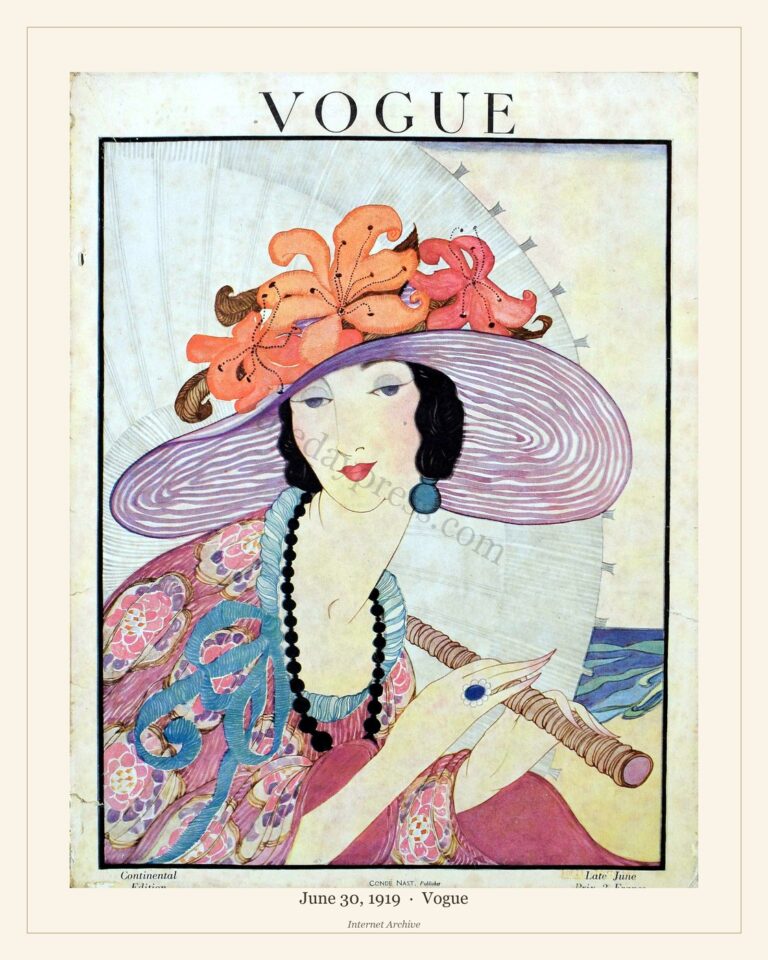
TL;DR — Women were central to the golden age of American illustration. Jessie Willcox Smith, Rose O’Neill, Helen Dryden, Elizabeth Shippen Green, and Neysa McMein drew covers and advertisements seen by millions — O’Neill’s Kewpies and Dryden’s Vogue covers among the most recognisable images of the era. This survey introduces these artists, the field that was unusually open to them, and why their work deserves to be remembered alongside the more-celebrated men.
By The Day Press · Published November 2026
A field open to women
Illustration was one of the few well-paid creative professions broadly open to women around 1900. Art schools admitted women, magazines bought their work, and several rose to the top of the field. Howard Pyle’s influential school trained a remarkable group of women illustrators — among them Jessie Willcox Smith, Elizabeth Shippen Green, and Violet Oakley, later known as ‘the Red Rose Girls’ for the house they shared.
Working for the major magazines, these artists shaped how the country pictured childhood, womanhood, and modern style, at the same commercial scale as their male peers.
The names to know
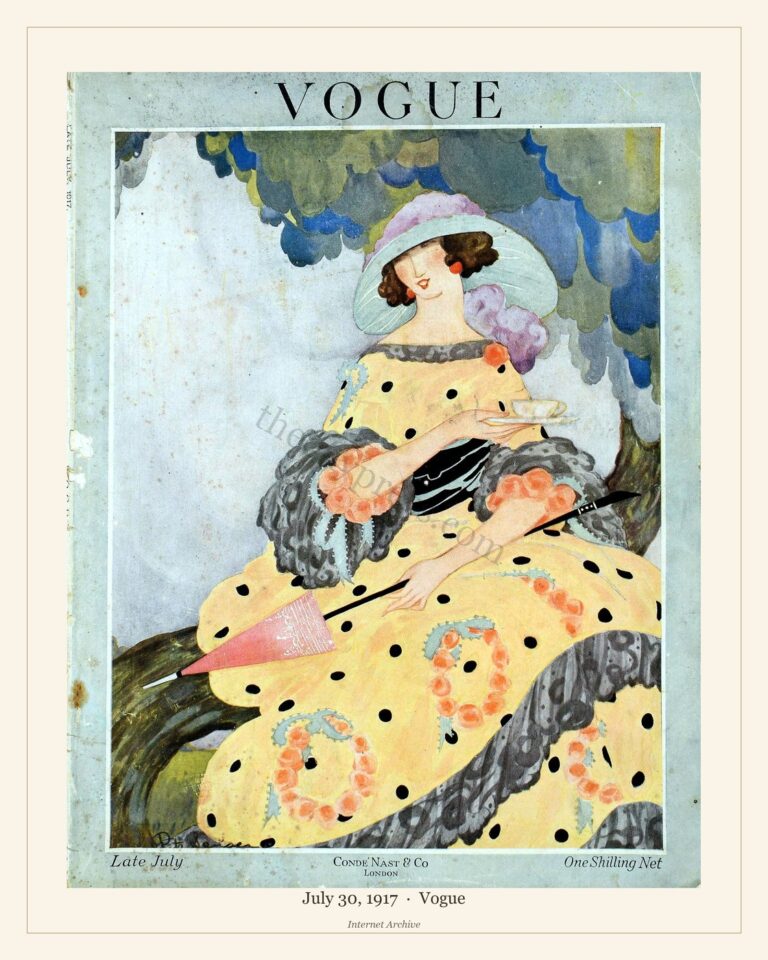
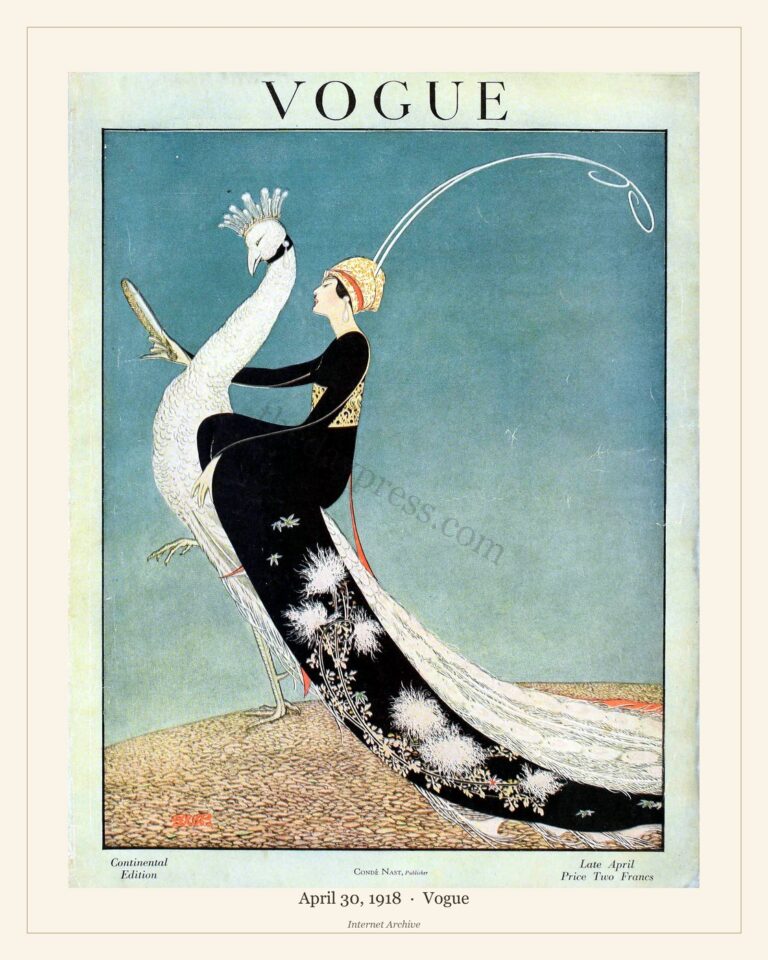
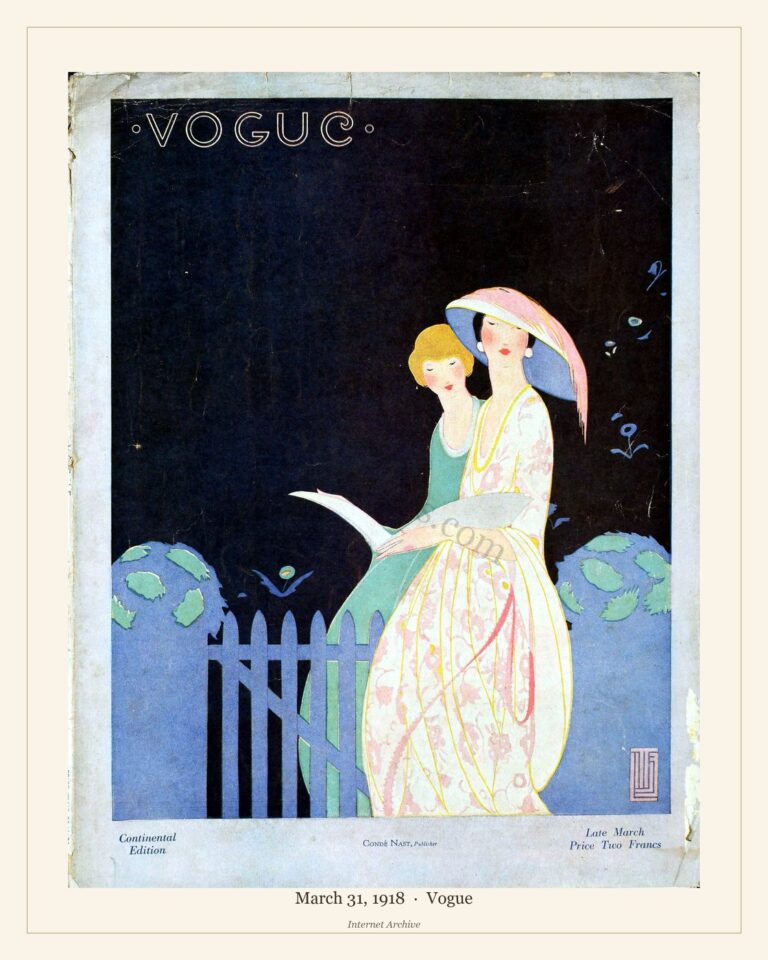
Jessie Willcox Smith drew tender, iconic covers of children for Good Housekeeping for years and illustrated beloved editions of children’s classics. Rose O’Neill created the Kewpies, whose cartoons and dolls became one of the era’s biggest merchandising phenomena, making her one of the highest-paid illustrators in America. Helen Dryden was among Vogue’s defining cover artists before a second career in industrial design; Elizabeth Shippen Green worked extensively for Harper’s; Neysa McMein drew McCall’s covers through the 1920s.
These were stars of the field, not marginal figures — several among the best-paid illustrators, male or female, of their time.
Why it matters
The prominence of these women is a corrective to the usual story of the golden age, which tends to centre a handful of famous men. The era’s visual culture — its images of children, its fashion covers, its most successful merchandising characters — was shaped by women as much as by men, and at the highest commercial level.
Recovering their names restores a fuller picture of who actually made the images that defined early-twentieth-century America.
Legacy
From Kewpies to Vogue covers, the work of these illustrators is woven through the era’s visual memory. Their careers show that the golden age of American illustration was, from the start, an achievement of women as well as men.
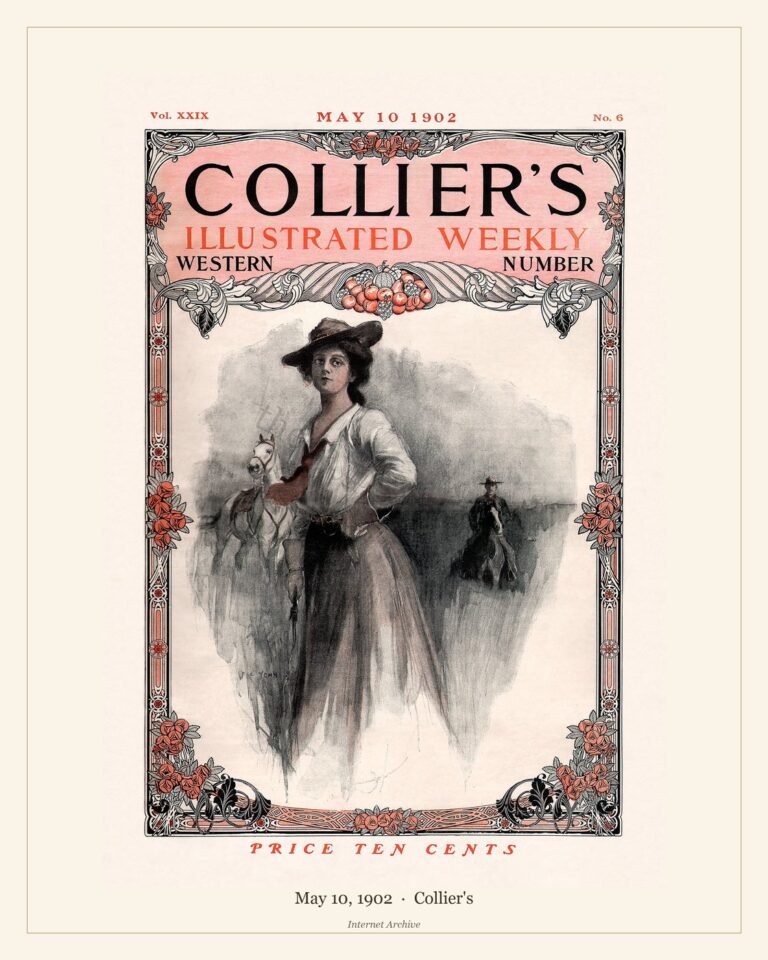
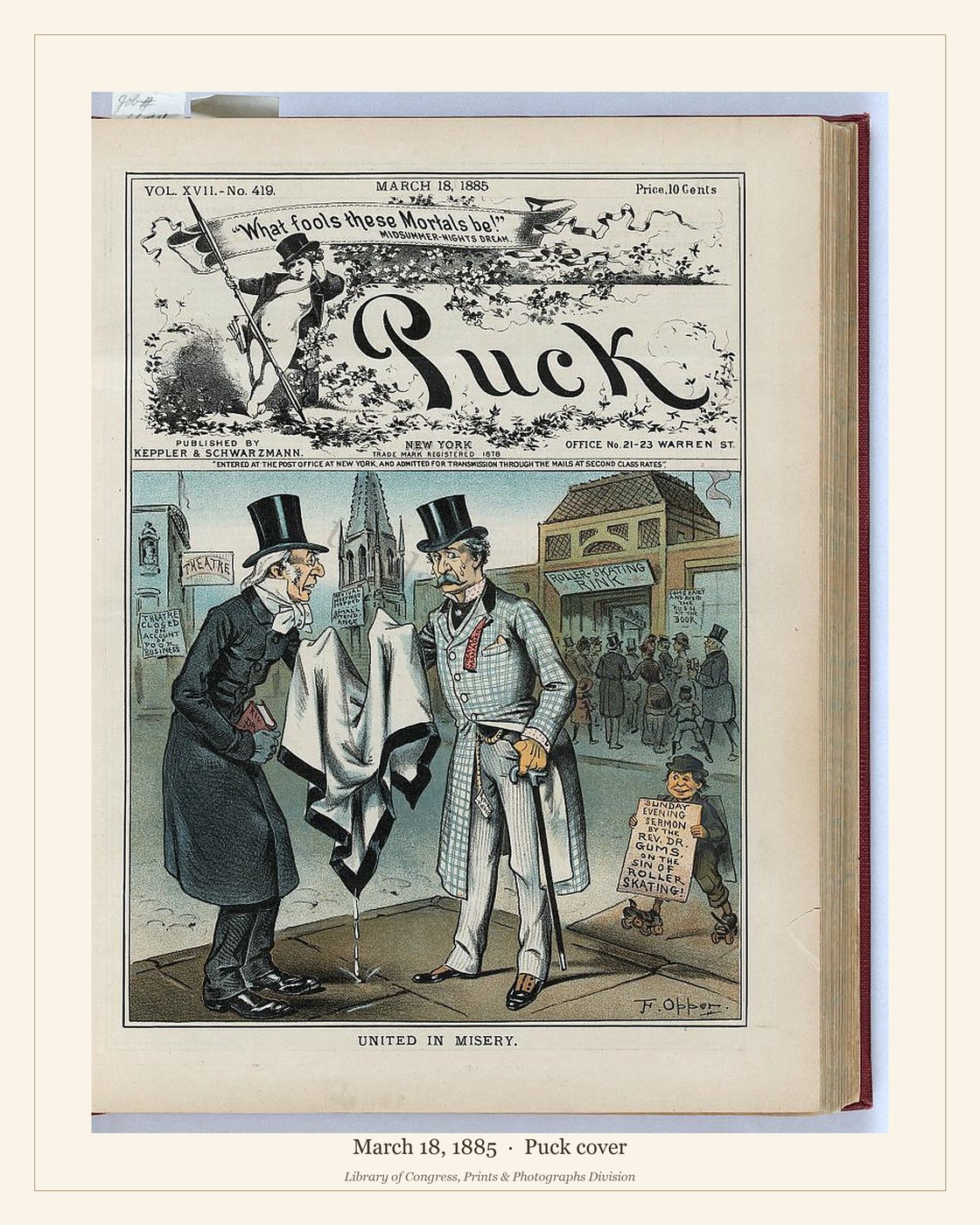
The magazine covers in our archive come from this era, each dated to the real issue it appeared on. Browse the magazine cover art →
Frequently asked questions
Who created the Kewpies?
Rose O’Neill, whose Kewpie cartoons and dolls became a huge merchandising success, making her one of the highest-paid illustrators in America.
Who were the ‘Red Rose Girls’?
Jessie Willcox Smith, Elizabeth Shippen Green, and Violet Oakley — illustrators trained under Howard Pyle who shared a house and studio.
Did women draw major magazine covers?
Yes — Helen Dryden was among Vogue’s most important early cover artists, and Neysa McMein drew McCall’s covers through the 1920s, among many examples.
Were they well known?
Several were stars of the field, among the best-paid illustrators of their time.
Further reading
- Browse magazine cover art
- Browse by theme, month, and decade
- Alice A. Carter, The Red Rose Girls: An Uncommon Story of Art and Love (Abrams, 2000).
- Walt Reed, The Illustrator in America, 1860–2000 (The Society of Illustrators, 2001).
The Day Press curates, restores, and reformats public-domain American printed images from 1885 to 1928 for archival-quality home printing. Browse the archive · Browse by theme, month, decade.