Cosmopolitan in the age of illustration
TL;DR — Long before it became a women’s magazine, Cosmopolitan was a general-interest illustrated monthly. Founded in 1886 and bought by William Randolph Hearst in 1905, it published leading fiction and journalism behind glamorous painted covers — above all the ‘cover girls’ of Harrison Fisher. This survey traces that history: the magazine’s founding, the Hearst era, its famous covers, and its complete reinvention decades later.
By The Day Press · Published October 2026
A general-interest monthly
Cosmopolitan was founded in 1886 as a general-interest family monthly and, under William Randolph Hearst from 1905, became a flagship of his magazine empire. For its first eighty years it was a broad illustrated magazine of fiction and journalism for a mixed readership — publishing major authors, competing at the top of the monthly market. Its modern identity as a women’s magazine dates only from the 1960s, under Helen Gurley Brown.
Understanding that history is the key to reading a Cosmopolitan cover of the 1900s or 1920s correctly: it fronted a magazine of stories and features for everyone, not a women’s title.
The Hearst era and the cover girls
Hearst’s money and ambition made Cosmopolitan one of the most prominent magazines in the country, and it spent generously on its covers. The artist most identified with them is Harrison Fisher (1875–1934), the great ‘cover girl’ illustrator nicknamed ‘the father of a thousand girls’, who drew Cosmopolitan’s covers more or less exclusively from the 1910s. His glamorous, idealised American women became the magazine’s signature.
Fisher’s covers belonged to a wider convention — the ‘cover girl’ tradition that ran from the Gibson Girl through the Christy Girl — in which a single idealised face sold a magazine and shaped a public idea of beauty.
The golden age of the painted cover
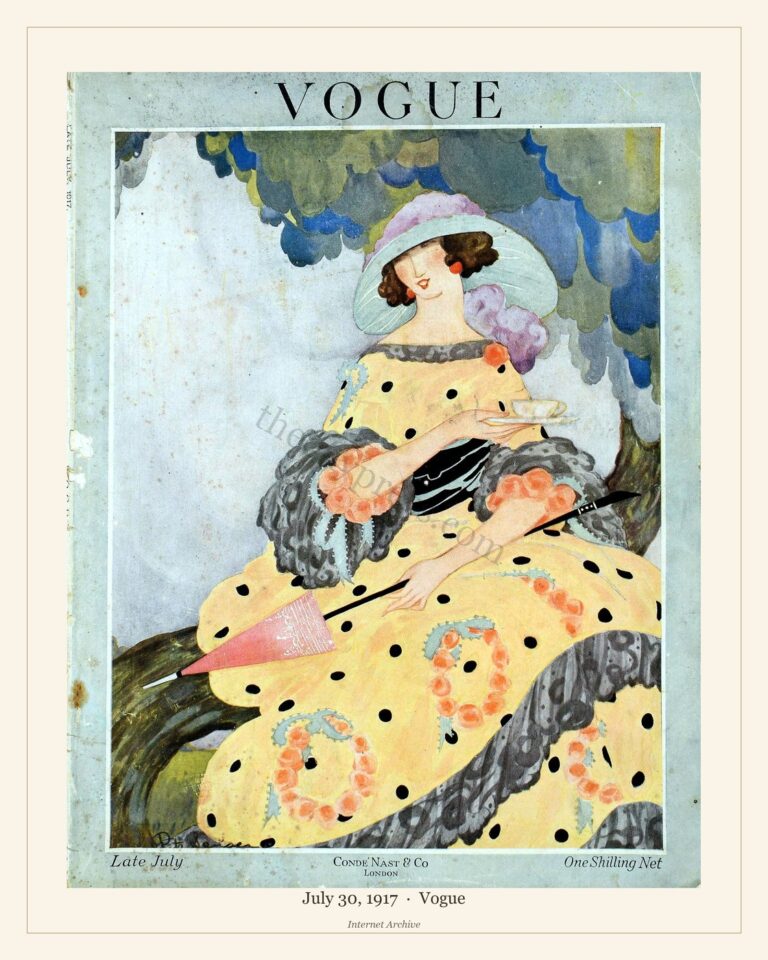
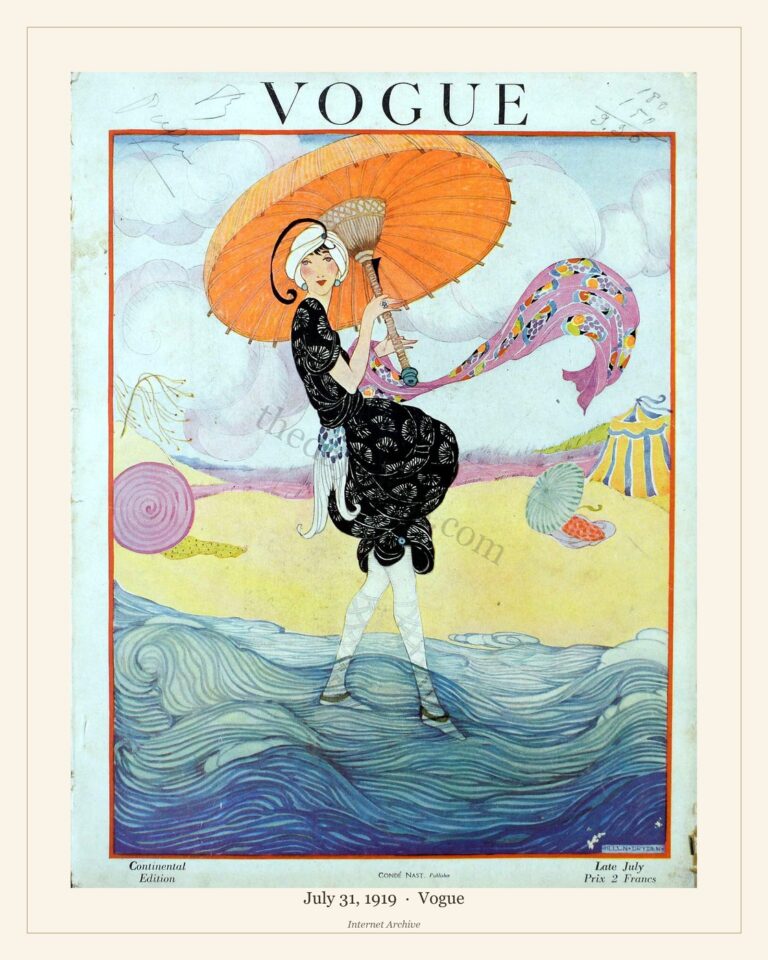
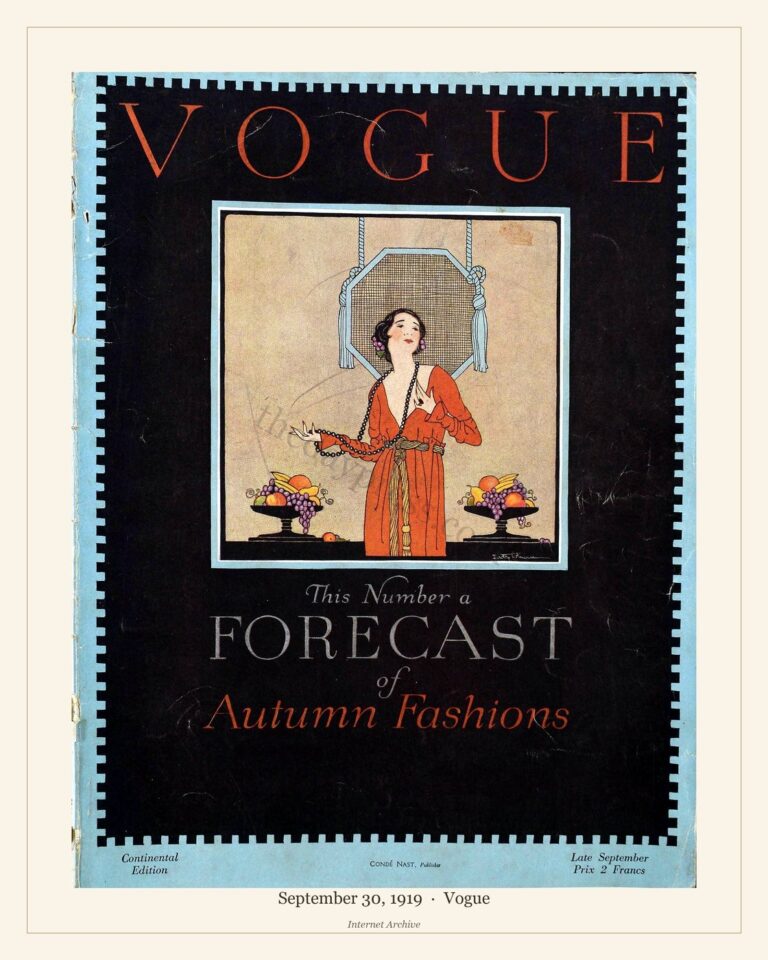
Cosmopolitan’s covers belong to the golden age of American magazine illustration, when a painted cover face could define a season’s idea of glamour. That age ended with photography, which took the magazine cover across the 1930s; the painted cover girls of the 1920s are among the last of the form.
A Cosmopolitan cover of the 1920s is thus a specimen of a lost tradition at its height — the hand-painted magazine cover in its final flourishing.
Legacy
The Cosmopolitan of the illustrated era is almost forgotten behind the modern magazine that shares its name, which makes its covers a useful correction: a reminder that this was once a general-interest monthly whose painted covers were among the most admired on the American newsstand.
The magazine covers in our archive are each dated to the real issue they appeared on. Browse the magazine cover art →
Frequently asked questions
Was Cosmopolitan always a women’s magazine?
No. It was founded in 1886 as a general-interest monthly and became a Hearst flagship of fiction and journalism. Its women’s-magazine identity dates only from the 1960s under Helen Gurley Brown.
When did Hearst buy it?
In 1905, making it a prominent general-interest monthly with glamorous painted covers.
Who drew its cover girls?
Harrison Fisher, for two decades from the 1910s — idealised ‘cover girl’ portraits.
Why did the painted covers end?
Photography took the magazine cover across the 1930s; the painted cover girls of the 1920s are among the last of the tradition.
Further reading
- Browse magazine cover art
- Browse by theme, month, and decade
- David Nasaw, The Chief: The Life of William Randolph Hearst (Houghton Mifflin, 2000).
- Carolyn Kitch, The Girl on the Magazine Cover: The Origins of Visual Stereotypes in American Mass Media (University of North Carolina Press, 2001).
The Day Press curates, restores, and reformats public-domain American printed images from 1885 to 1928 for archival-quality home printing. Browse the archive · Browse by theme, month, decade.